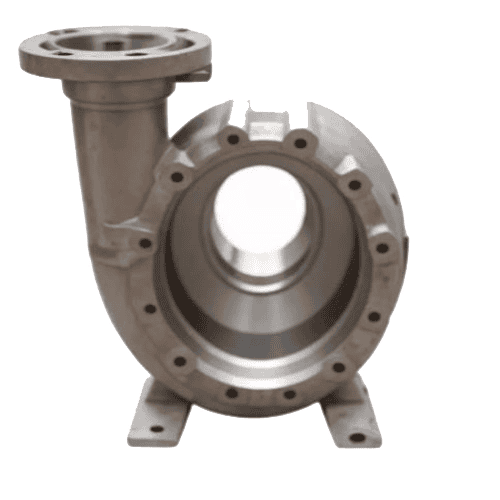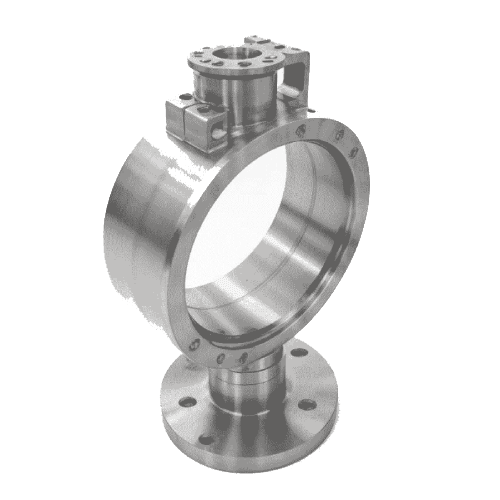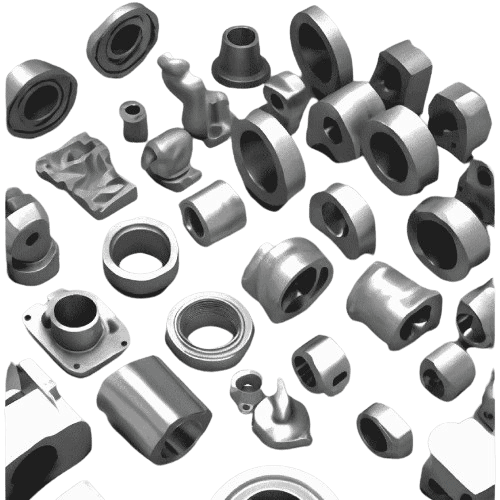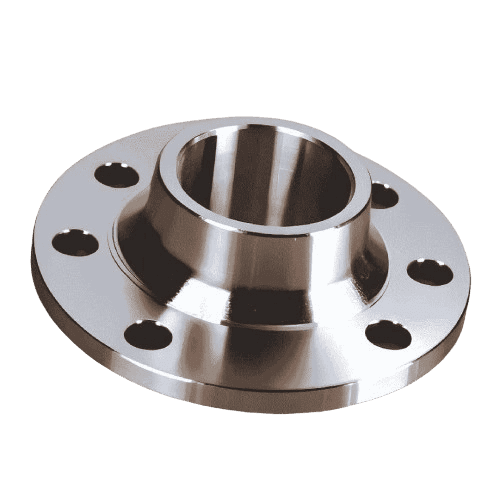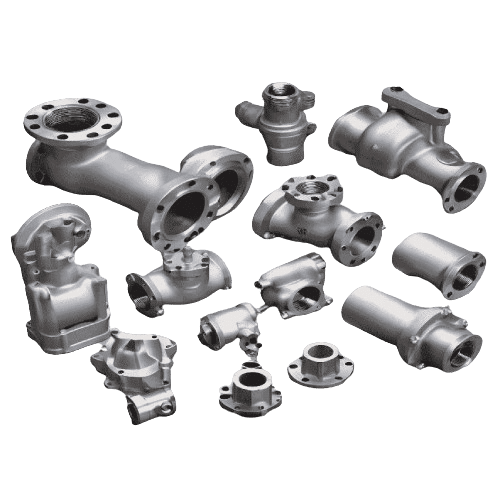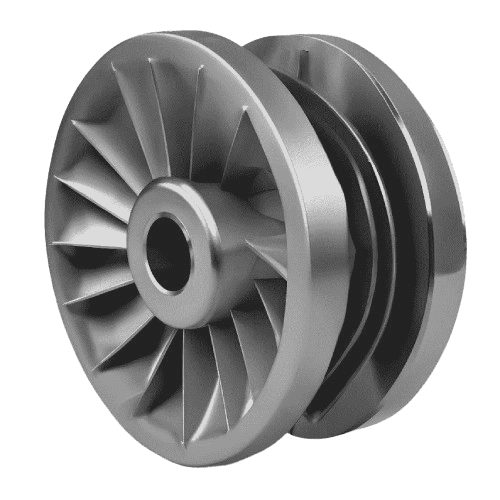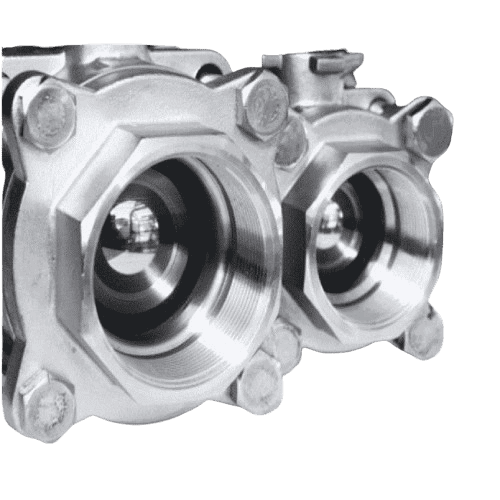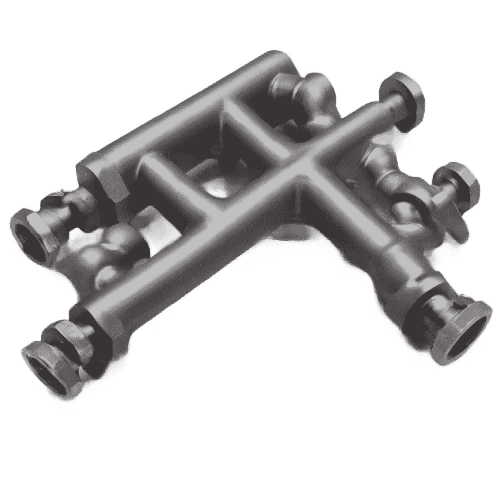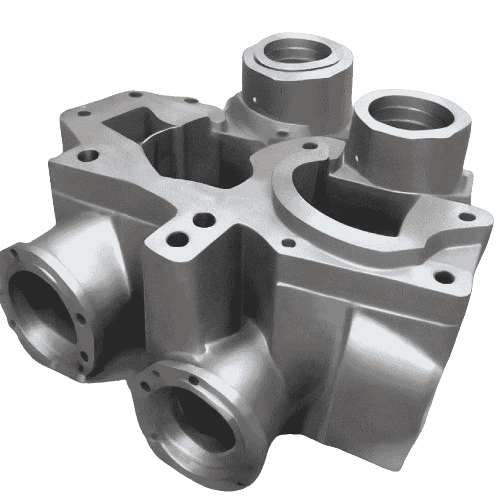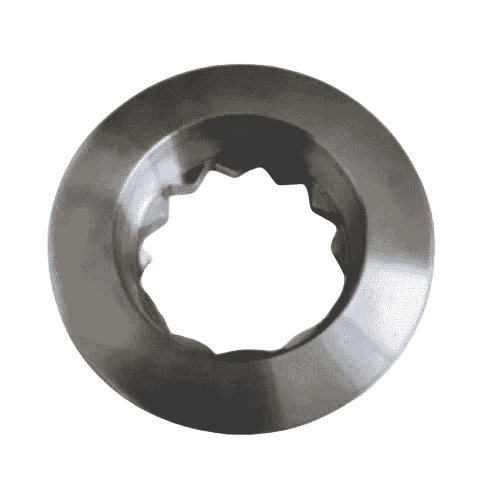
Welcome to Calmet, a steel casting manufacturer delivering strength, precision, and consistency for industrial applications worldwide. Our production employs advanced facilities and skilled teams, ensuring full control over quality and performance. Only the few processes that cannot be produced internally are carefully outsourced under strict supervision, so you can trust consistent results every time.
As a trusted steel casting foundry facility, we produce engineered components designed to meet strict performance and durability standards. Recognized as a reliable stainless steel casting company, we support OEMs with solutions built for demanding environments.
Our expertise spans custom steel casting projects, advanced steel casting services, and the production of high-performance components, positioning us as a dependable carbon steel castings manufacturer. Backed by proven processes and technical precision, we deliver reliable casting solutions that meet demanding industrial requirements while maintaining consistent quality and performance.
Backed by decades of hands-on manufacturing experience, Calmet supports complex production requirements with consistency and control as a trusted steel casting manufacturer. At our steel casting foundry facilities, we design and manufacture custom steel casting solutions tailored to the rigorous performance, durability, and application-specific requirements of OEMs across diverse industries.

Green sand casting is a method that involves using a mixture of sand, clay, and water to create molds. The mold is created by packing the mixture around a pattern, which is then removed to create a cavity for casting. Molten metal is poured into the cavity, and the mold allows for the creation of complex, intricate designs. After solidification, the sand mold is broken to retrieve the finished cast part. Green sand casting is cost-effective and versatile, making it suitable for parts in the machinery and agriculture industries.
This cost-efficient process is widely used by steel casting manufacturers for consistent, medium-volume production.

Chemical sand casting, also known as no-bake molding, is a method using a chemically bonded sand mixture instead of traditional green sand. Chemically bonded sand molds are created using a wood, metal, or plastic pattern. It involves packing a mixture of sand, resin, and catalyst around a pattern and hardening it through chemical reaction. This enables greater dimensional accuracy, finer surface finish, and reduced casting defects, making it suitable for high-precision applications in aerospace and defense.
This method is often selected for custom steel casting projects that demand tight tolerances and enhanced accuracy.

Investment casting, also known as the lost wax process, is a precision casting technique used to manufacture intricate, high-quality components with excellent surface finish. The process involves creating a wax pattern, coating it with ceramic slurry, and heating the shell to remove the wax. Molten metal is then poured into the cavity to accurately reproduce complex geometries. Once cooled, the ceramic shell is removed to retrieve the finished component. This process is widely used in power, aerospace, marine, and medical applications.
It is a preferred technique for stainless steel foundry applications where complex shapes and superior surface quality are essential.
Material selection plays a critical role in achieving strength, durability, and performance in industrial components. At Calmet, our role as a precision-focused steel casting manufacturer allows us to work with a broad range of stainless steel and carbon steel grades suited for varied operating conditions.
| ALLOY NAME | MECHANICAL PROPERTIES | MATERIAL CHARACTERISTICS | APPLICATION INDUSTRY | EXAMPLE PART |
|---|---|---|---|---|
| Austenitic - Corrosion Resistance (Higher Nickel) | ||||
| 304 stainless steel | Tensile Strength: 515-690 MPa, Hardness: 70-92 HRB |
Widely used, Ductility (low carbon content) |
Food Processing, Kitchen | Kitchen sinks, Process equipment, Tanks |
| 304L stainless steel | Tensile Strength: 485-655 MPa, Hardness: 70-88 HRB |
Ductility (lower carbon for weldability) |
Chemical, Oil & Gas | Process equipment, Heat exchangers |
| 316 stainless steel | Tensile Strength: 515-690 MPa, Hardness: 75-95 HRB |
Excellent Corrosion Resistance (with molybdenum) |
Paper industry, Chemical processing equipment, Pharmerceutical |
Propellers, Medical devices, Furnace parts |
| 316L stainless steel | Tensile Strength: 485-655 MPa, Hardness: 75-95 HRB |
Improved Weldability, Corrosion Resistance |
Marine, Chemical | Marine components, Chemical vessels |
| 201 stainless steel | Tensile Strength: 620-795 MPa, Hardness: 70-88 HRB |
Cost-Effective (lower nickel), Corrosion Resist. |
Construction | Structural components, Springs |
| Duplex - High Strength, Duplex Structure | ||||
| 2205 stainless steel | Tensile Strength: 620-800 MPa, Hardness: 20-35 HRC |
Resistance to Stress and Corrosion, Used for Welding |
Oil & Gas, Chemical | Pipes, Pressure vessels |
| Martensitic - Heat Treatable, Moderate Corrosion | ||||
| 410 stainless steel | Tensile Strength: 450-655 MPa, Hardness: 70-85 HRB |
Moderate Corrosion Resistance, Machinability |
Aerospace, Firearms | Aircraft components, Mechanical part, bolts |
| PH - Precipitation-Hardened (By Ageing) | ||||
| 17-4ph | Tensile Strength: 725-930 MPa, Hardness: 30-45 HRC |
High Strength, Precipitation- Hardened |
Aerospace, Medical | Aircraft landing gear, Surgical instruments |
These grades are commonly used across industries that rely on custom steel casting for structural integrity and long service life. Supported by our experience as a consistent carbon steel castings manufacturer, each material option is chosen to meet application-specific demands without compromising quality.
Material selection plays a critical role in how components perform under load, pressure, and environmental exposure. Drawing on experience as a long-standing steel-casting manufacturer, these grades are commonly specified for structural, mechanical, and corrosion-sensitive applications across diverse operating conditions.
| Grade | Application |
|---|---|
| ASTM A36 | A widely used structural steel grade for general construction purposes. |
| ASTM A572 | High-strength low-alloy structural steel used in construction and heavy machinery. |
| ASTM A500 | Cold-formed welded and seamless carbon steel structural tubing in round, square, and rectangular shapes. |
| ASTM A992 | A high-strength, low-alloy structural steel widely used in construction. |
| ASTM A516 | Pressure vessel quality steel used in the construction of boilers and pressure vessels. |
| AISI 4140 | A versatile chromium-molybdenum alloy steel used in various applications such as aerospace, and oil and gas. |
| AISI 1018 | A low-carbon steel with good weldability and machinability, commonly used in shafts, pins, and rods. |
| AISI 1045 | A medium carbon steel used in applications requiring higher strength and hardness. |
| ASTM A615 / A706 | Grades of steel rebar used in reinforced concrete construction. |
| AISI 316 | A stainless steel grade commonly used in marine environments and for food processing equipment. |
Each listed grade supports specific functional needs, whether for strength, weldability, or resistance to wear and corrosion. This practical alignment helps manufacturers benefit from consistent steel casting services while delivering proven output. As an experienced carbon steel castings manufacturer, we achieve reliable results that perform effectively in real-world applications.
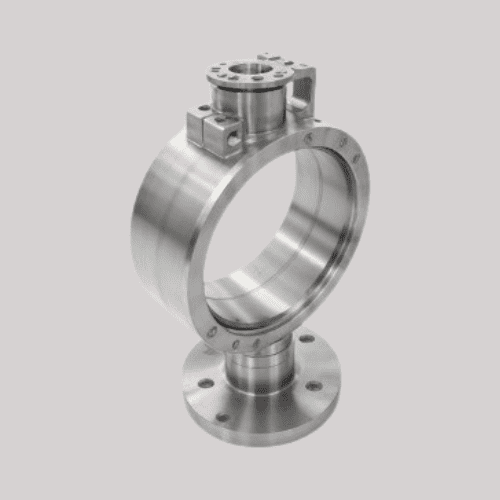
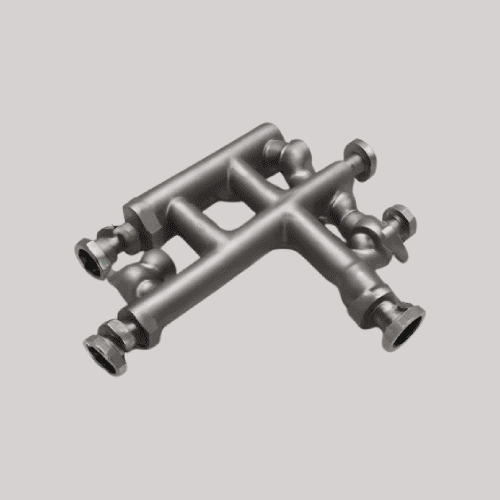
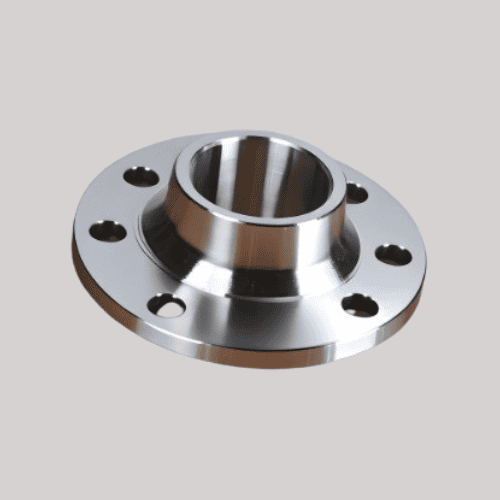
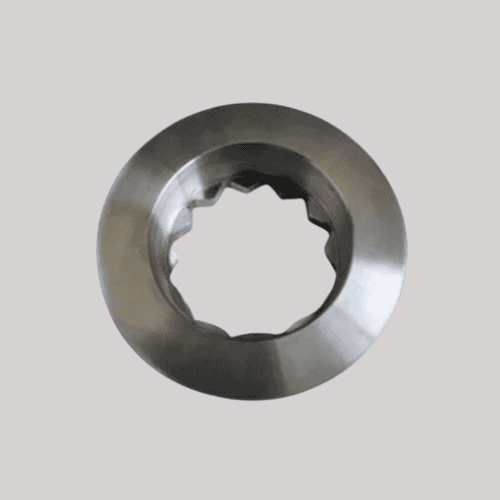
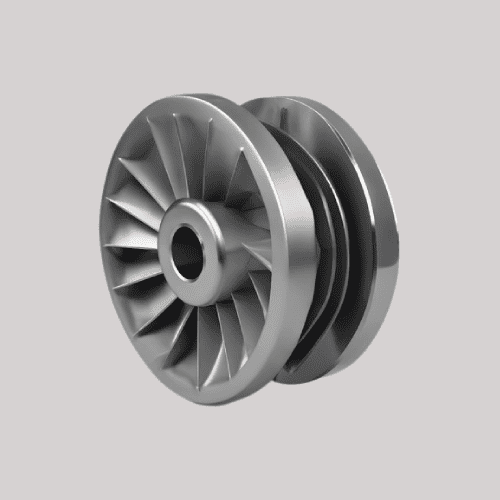
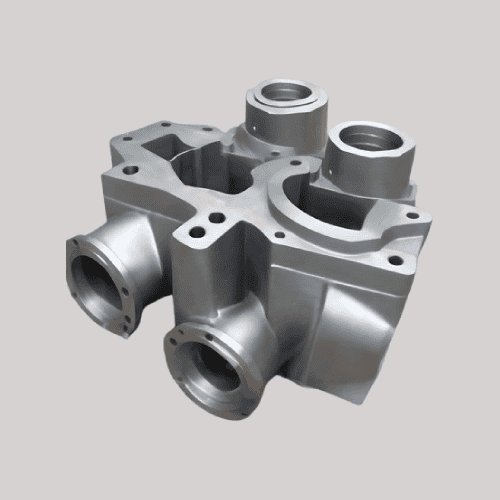
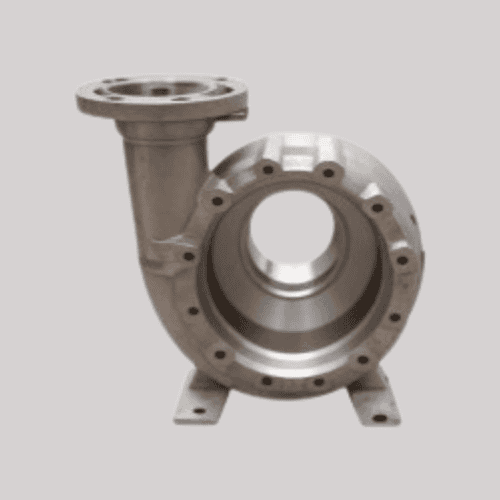
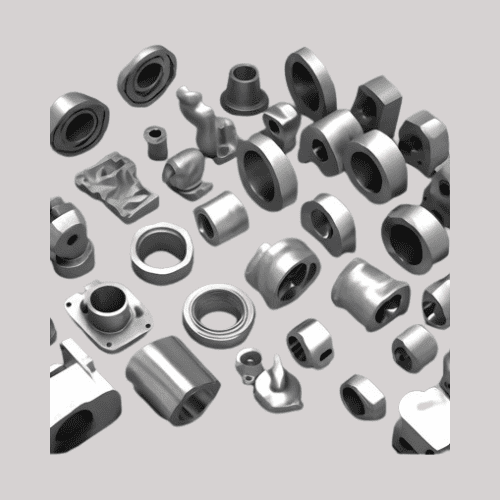
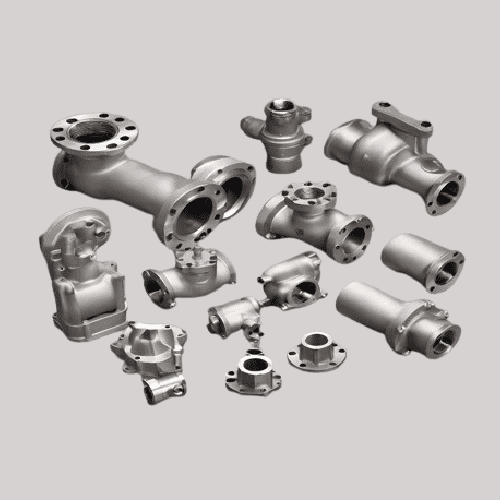
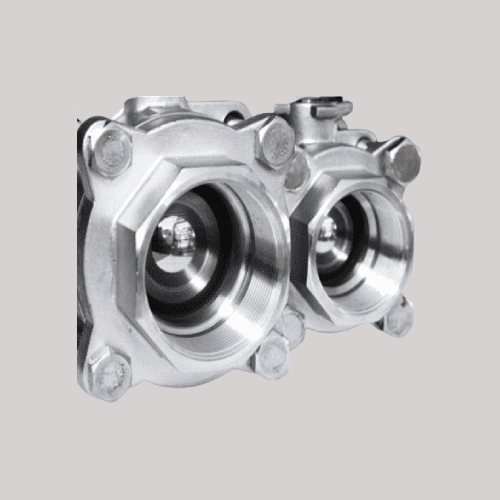
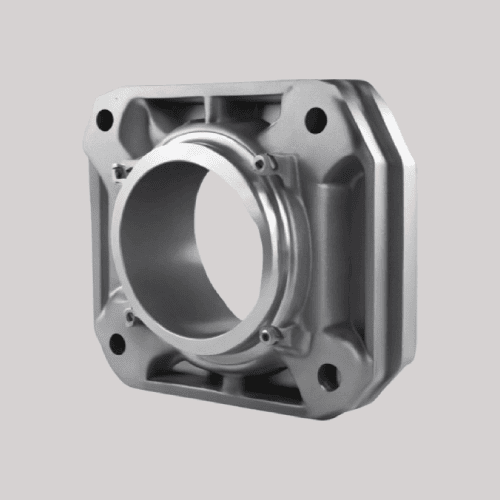
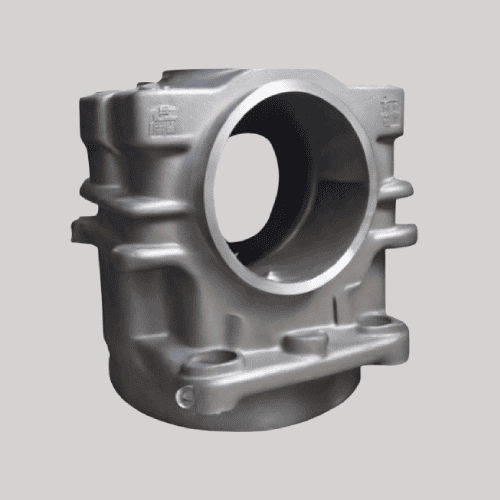
Calmet delivers high-performance components as a leading steel casting manufacturer, blending engineering expertise with advanced casting techniques. Our custom steel casting solutions and industrial-grade parts are trusted by global OEMs across sectors where durability, precision, and reliability are essential.
Whether it’s a single prototype or full-scale production, we ensure every piece reflects the quality and performance standards that define a top steel casting foundry facility.
As a fully integrated steel casting manufacturer, Calmet supports customers beyond casting with machining, assembly, engineering, and value-added steel casting services, making us a dependable partner for end-to-end manufacturing needs.
We continually invest in efficient equipment and advanced technology, enabling us to deliver state-of-the-art machining solutions for both standard and custom steel casting projects at competitive prices.
Our facilities include modern automation and robotics, with the latest generation Machining Centers, HMCs, VMCs, VTLs, and Special Purpose Machines, enabling consistent accuracy expected from a reliable steel casting foundry facility.
Real-time automation software provides instant access to planning, manufacturing, and data collection from the shop floor, ensuring traceability and precision across all steel casting services.
Our expertise across multiple alloys allows us to recommend optimized machining processes without compromising the quality, strength, or performance of industrial steel cast components.
We function as an extension of OEM production for several global corporations, supplying finished assemblies and sub-assemblies, as well as castings and components, from our vertically integrated steel-casting facilities.
Our experienced teams assemble parts using advanced, automated welding methods, including fusion welding, pressure welding, brazing, and soldering, delivering cost-effective, time-efficient solutions trusted by OEMs worldwide.
With cross-trained staff and flexible work cells, we create an adaptable assembly environment that supports diverse fulfillment needs, reinforcing our reputation as a dependable steel casting foundry facility for complex assemblies.
Engineering design at Calmet focuses on solving manufacturing challenges through defined objectives, constraints, prototyping, testing, and evaluation for industrial steel casting applications.
Our engineers assist throughout the design and prototyping stages, ensuring materials and samples meet required functional and dimensional specifications for performance-critical components.
We collaborate closely with customers to resolve metal-related challenges and refine designs, applying structured brainstorming to arrive at practical, production-ready solutions aligned with steel casting services.
Our in-house workshop develops samples across varied dimensions, materials, and specifications, supporting iterative development and optimized outcomes.
We offer a comprehensive range of treatment processes, including heat treatment such as normalizing, quenching, tempering, nitriding, carburization, annealing, induction hardening, burnishing, and more, to enhance steel casting performance.
Surface treatments are applied to improve functional properties or achieve desired finishes, depending on application requirements.
Our expertise includes sandblasting, painting, electroplating with zinc, nickel, and chrome, as well as hot-dip galvanizing and thermal-spray metalizing, supporting long-term durability of custom steel casting components.
Calmet regularly reviews Quality Key Performance Indicators to benchmark outcomes against defined standards, ensuring consistent results across all treatments delivered by our steel casting manufacturer operations.
As a precision-focused stainless steel casting foundry facility, Calmet follows strict inspection protocols to ensure every component meets international quality benchmarks. From raw material verification to dimensional accuracy checks, our process supports OEMs that depend on consistent, high-precision steel casting services.
The quality assessment process, supported by advanced testing equipment, ensures that only reliable and performance-ready components reach buyers and customers across global markets.
Here at Calmet, all employees receive in-depth training, guidance, and continuous skill development under experienced mentors who closely follow Lean manufacturing practices and the Kaizen philosophy.
This structured approach ensures teams are well equipped with the technical knowledge and work practices required for their roles within a trusted steel casting manufacturer environment.
Each task is executed with thorough understanding and accountability. The quality department plays a critical role in reviewing processes and advising on corrective actions where required, ensuring errors are minimized or eliminated entirely.
These quality controls support global companies that rely on durable, high-performance industrial components produced by a dependable steel casting manufacturer.
Real-world applications demonstrate the depth of our manufacturing capabilities and problem-solving approach. These case studies show how Calmet supports OEMs with consistent performance, large-scale execution, and precision-driven outcomes as a trusted steel casting manufacturer, particularly for custom steel casting projects and performance-critical industrial components.
In response to the growing demand for durable and high-performance components in diverse industries, our steel casting development team embarked on a journey to enhance efficiency and durability through advanced technologies. This case study highlights a successful project that showcases our commitment to innovation and excellence in steel casting.
Objective:
Our primary objective was to develop a steel casting solution that not only meets stringent industry standards but also exceeds performance expectations.
The developed steel casting solution demonstrated remarkable improvements in:
– Strength and Durability: The advanced alloy significantly increased the strength and wear resistance of the cast components, extending their operational lifespan.
– Production Efficiency: Implementation of innovative casting techniques reduced production time, enhancing overall efficiency and cost-effectiveness.
– Quality Assurance: Stringent quality control measures ensured that each casting met or exceeded industry standards, providing our clients with reliable and high-performance components.
This case study exemplifies our dedication to pushing the boundaries of development. By embracing advanced materials, cutting-edge technologies, and meticulous quality control, we successfully delivered a solution that enhances efficiency and durability. Our commitment to innovation positions us as a reliable partner for industries seeking top-tier steel casting solutions.
We were approached by a leading oil and gas company that required critical components for their offshore drilling equipment. The components had to withstand high pressure, corrosive environments, and extreme temperatures.
After thorough analysis and collaboration with the client, we recommended using a high-strength, corrosion-resistant stainless steel alloy. Our expert team employed advanced casting techniques and precision machining to produce the complex components precisely according to customer specifications.
The components surpassed all quality standards and met the stringent industry requirements. The cast components exhibited exceptional corrosion resistance and durability, ensuring reliable performance in the challenging offshore environments. Our on-time delivery allowed the client to successfully complete their project within schedule, minimizing downtime and increasing operational efficiency.
A leading manufacturer required complex engine components with precise dimensions, optimal strength, and superior surface finish for their high-performance vehicles. They faced challenges with their previous castings, including porosity and dimensional inaccuracies.
Working closely with the manufacturer, our engineering team developed an optimized casting process using advanced simulation software. We implemented stricter quality control measures, including advanced dimensional inspection techniques, to eliminate porosity issues and ensure dimensional accuracy.
The new castings exhibited excellent structural integrity, free from any porosity or defects. The precise dimensional accuracy of the components allowed for seamless integration into the engines, enhancing overall performance. The improved surface finish of the castings added to the aesthetic appeal of the vehicles. The decreased scrap rate and increased yield resulted in cost savings for the client.
Built on engineering depth, process discipline, and long-term industry trust, Calmet delivers consistent value to customers seeking reliable casting partners. Recognized as a global steel casting manufacturer and a technologically capable stainless-steel foundry, we support demanding applications with precision-engineered components and scalable production capabilities, placing us among established stainless steel casting companies worldwide.
To maintain a competitive advantage in the steel casting industry, Calmet always evaluates its unique strengths and value proposition. Here are some factors to consider while analyzing the competitive advantage that Calmet offers:
Sustainable manufacturing focuses on minimizing the environmental impact and maximizing resource efficiency throughout the manufacturing process using the following commonly used techniques:
Innovative technologies can revolutionize the steel casting manufacturing industry, enhancing efficiency, quality, and customization capabilities. Some notable advancements at Calmet include:
The steel casting manufacturing industry is subject to various regulations, which ensure safety, quality, and environmental compliance. Key regulations may include: