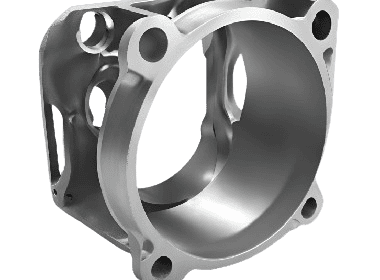
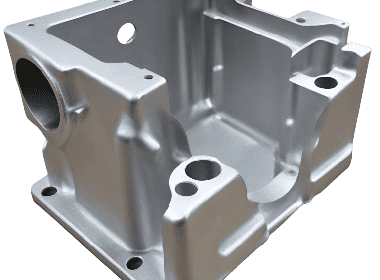
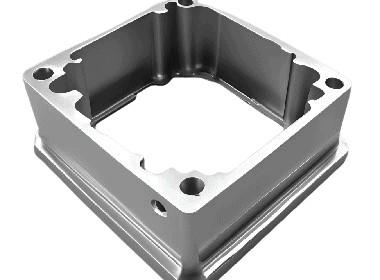
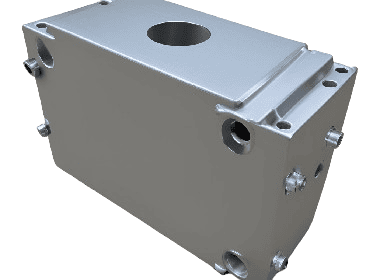
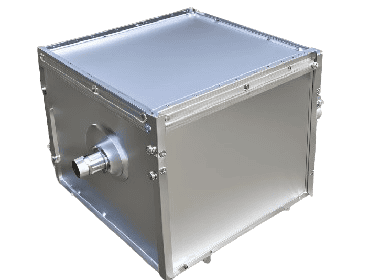
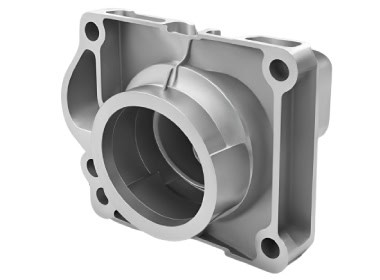
Construction Hardware & Equipment
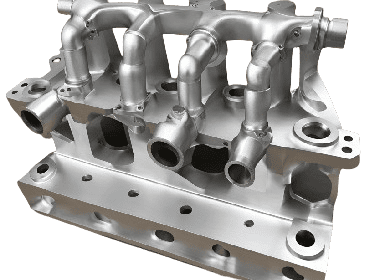
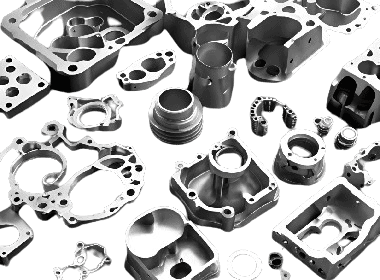
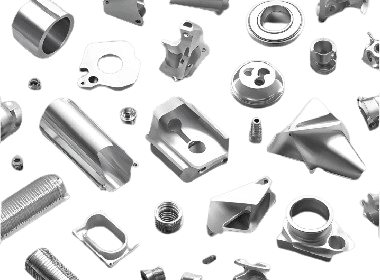
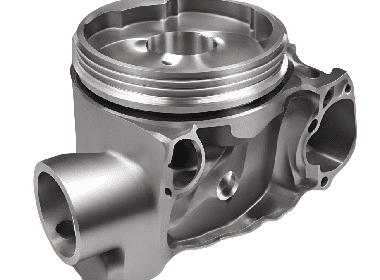
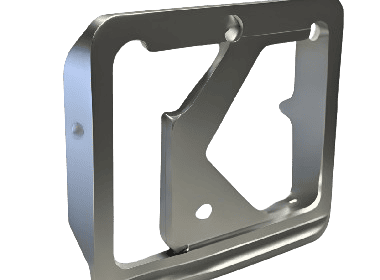
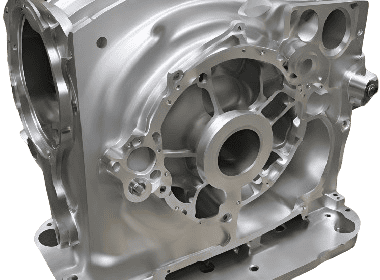
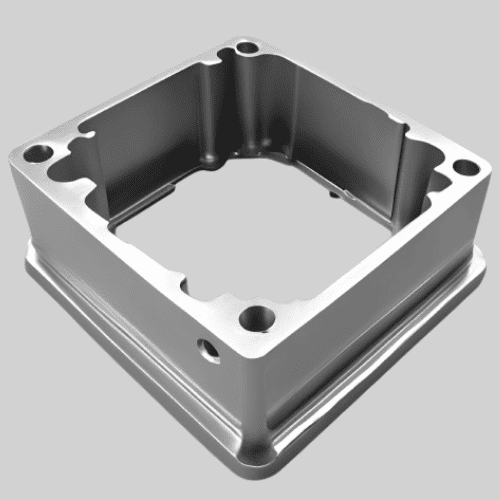
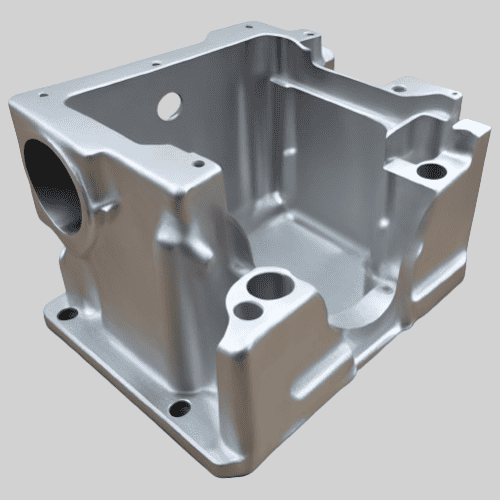
aluminum Castings applied in construction hardware such as scaffolding fittings, structural connectors, and building components, offering strong and reliable solutions for building structural integrity and safety.

Welcome to our hub, where we work as a trusted aluminum casting manufacturer committed to precision and strength. As an experienced aluminum casting company, we offer a wide range of solutions designed to meet industry standards and your project needs. Our team also supports custom requirements through our aluminum casting foundry, ensuring every component is crafted with care. We handle everything from alloy selection to final inspection, delivering dependable aluminum casting services at every step. You can also explore our expertise in permanent mold aluminum castings, designed for durability and accuracy. Trust our process to bring your vision to life with reliable, precisely engineered components. Discover the excellence that drives us and experience innovation shaped by a leading aluminum die casting manufacturer.
Before we begin the process breakdown, it’s important to understand how our role as an aluminum casting manufacturer ensures consistent quality from the first stage. Every project starts with a clear understanding of your needs, backed by our experience as an aluminum casting company focused on accuracy. Our in-house aluminum casting foundry manages every step with care, helping us deliver dependable parts through specialized aluminum casting services. This approach enables us to deliver precise results across various methods, including aluminum die casting, ensuring components perform reliably in real-world applications.

Green sand casting is a method that involves using a mixture of sand, clay, and water to create molds. The mold is created by packing the mixture around a pattern, which is then removed to create a cavity for casting. Molten metal is poured into the cavity, and the mold allows for the creation of complex intricate designs. After solidification, the sand mold is broken to retrieve the finished cast part. Green sand casting is cost-effective and versatile, making it suitable for parts in the machinery, and agriculture industries.

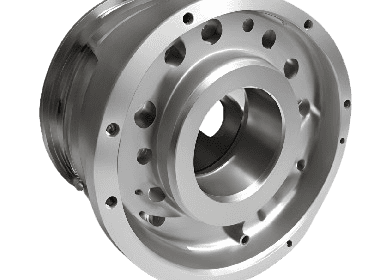
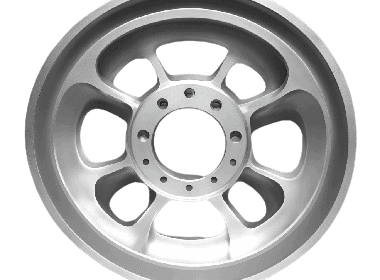
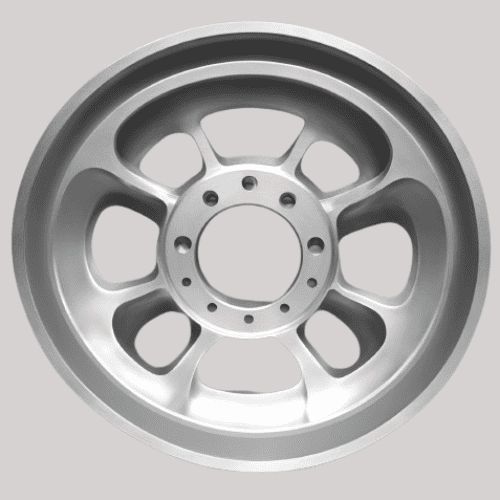
Permanent mold casting uses steel or other metal molds and cores to form strong, consistent parts. Aluminum is poured into the mold to create consistent shapes. The fast cooling of the metal promotes a stable microstructure, which boosts mechanical performance. This casting method works well for high production volumes and parts that require repeatable accuracy. These components are often larger than typical die-cast parts and usually weigh up to 10 kg. Impellers, wheels, pump parts, and compressor parts are common examples produced with this method. Our expertise in permanent mold aluminum castings helps ensure dependable results for such applications.

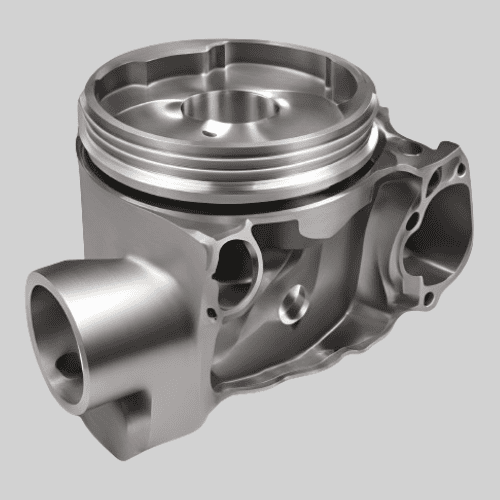
Die casting maintains tight tolerances to deliver smooth surface finishes and works best with uniform wall thickness. These parts are created by injecting molten metal into metal molds under controlled pressure. The rapid injection and high-pressure solidification form a dense, fine-grained surface structure that helps achieve strong, reliable properties. This method is ideal for producing large volumes of small parts, usually up to 5 kg. Industries such as HVAC, pumps, pharmacy, and other sectors often use components made through this technique. Our experience in aluminum die casting ensures consistent performance for such demanding applications.

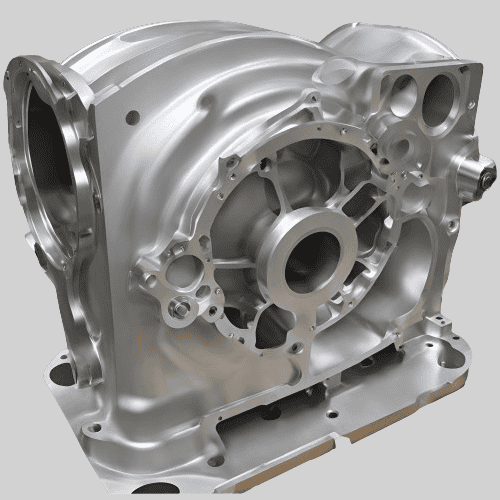
Different grades of aluminum are identified using four-digit numbers with the first number denoting the series of grade, indicating the primary alloying element as per the International Alloy Designation System. Properties can be modified with heat-treatment or other processes.
The purest, with excellent workability and are a versatile choice, suitable for hard forming, spinning and welding. These alloys are highly resistant to corrosion and have excellent thermal and electrical conductivity. and are used in food processing and packaging, chemical storage and electrical transmission applications.
These can be heat-treated to give them outstanding toughness and hardness, comparable to some steels. They have excellent machinability and a great strength-to-weight ratio; the combination of these characteristics makes them a popular choice in the aerospace industry.
Their low corrosion resistance, so they are often painted or clad with a higher purity alloy.
These have moderate strength, corrosion resistance and good workability. The most widely used aluminium alloys of all, 3003, popular due to its versatility, excellent weldability and aesthetically pleasing finish, for production of cooking utensils, signs, treads, storage and sheet-metal applications such as roofing and guttering.
Silicon is used to lower melting point of material whilst keeping its ductility. Alloy 4043 is used for welding wire, suitable for use in elevated temperatures and offering a smoother finish than many other options. Good thermal and electrical conductivity, along with corrosion resistance, make these alloys a popular choice in various engineering applications.
These highly versatile alloys maintain moderate strength, weldability and respond well to working and forming. These offer exceptional corrosion resistance, making them a popular choice for marine applications such as boat hulls and other industry-specific uses including storage tanks, pressure valves and cryogenic tanks.
These alloys are used for general purpose uses in a huge variety of industries such as construction, architecture, automobile and more. With above-average strength, strong corrosion resistance and good machinability, materials in this series also respond well to heat-treatment and maintain their workability after tempering or annealing.
Zinc as their primary agent, with a smaller ratio of magnesium or other metals included to help retain some workability. This combination results in an extremely hard, strong, stress-resistant metal. These alloys are commonly used in aerospace industries due to their superb strength-to-weight ratio, as well as for sports equipment and car bumpers.
The 8000 series are alloyed with a variety of other elements such as iron and lithium. Generally, they are created for very specific purposes within specialist industries such as aerospace and engineering. They offer similar properties to the 1000 series but with higher strength and formability.
Here at Calmet, our goal is to manufacture and deliver products as per the requirements considering their speciation given at the time of ordering. It’s not about the details alone but we also cooperate and put in our expertise and capabilities to ensure the most superior quality products are delivered to the customer.
| Specification (AA) | 514 | A413 | A360 | 222 | A380 | A356 | 712 |
|---|---|---|---|---|---|---|---|
| Tensile Strength (N/mm2) | 140-170 | 160-190 | 95-120 | 170 | 180 | 130-150 | 215 |
| Elongation (%) | 3 | 5 | 05-Mar | 2 | 1.5 | 2 | 4 |
| Brinell Hardness | 50-70 | 50-55 | 75-85 | 85 | 85 | 55-65 | 70 |
| Density (g/cm3) | 2.65 | 2.65 | 2.68 | 2.7 | 2.79 | 2.68 | 2.81 |
| Freezing range (deg C) | 642-580 | 575-565 | 575-550 | 620-550 | 580-520 | 615-550 | 615-570 |
| Thermal Con @ 25degC (cal/cm2/cm/deg C) | 0.33 | 0.34 | 0.35 | 0.34 | 0.23 | 0.36 | 0.35 |
| Electrical Con @ 20degC (% Copper Standard) | 31 | 37 | 38 | 39 | 24 | 39 | 35 |
| Machinability | Excellent | Poor | Fair | Good | Good | Good | Good |
| Corrosion Resistance | Excellent | Excellent | Good | Good | Fair | Excellent | Excellent |
| Electro Plating Suitability | F (2) | F (1) | F (1) | F (1) | Fair | Fair | Fair |
| Non Spark | No | No | No | No | No | No | No |
| Casting Characteristics - Sand Casting | Fair | Excellent | Good | Good | Fair | Excellent | Good |
| Casting Characteristics - Gravity Die Casting | Fair | Excellent | Good | Good | Fair | Excellent | Fair |
| Casting Characteristics - High Pressure Die Casting | Fair | Good | * | * | Excellent | Good | Fair |
1 - These alloys, containing Silicon, require a modification treatment for good adhesion
2 - Can be plated, but not recommend
| Grade | Application |
|---|---|
| A05140 | Commonly used for casting applications that require good corrosion resistance and high strength, making it suitable for marine components, pump housings, and valve bodies. |
| A04013 | Known for its excellent castability and weldability, making it ideal for creating intricate cast components such as heat exchangers, and electrical enclosures. |
| A03600 | Utilized in casting processes where high machinability and good corrosion resistance are essential, making it suitable for producing components like hydraulic manifolds, instrumentation components, and pressure vessels. |
| A03550 | Favored for its combination of high strength and thermal conductivity, making it suitable for casting applications such as heat sinks, motor housings, and transmission components. |
| A03800 | Used in casting applications that require a good balance of strength, ductility, and corrosion resistance, making it suitable for manufacturing components such as aircraft parts, pump bodies, and hydraulic cylinders. |
| A03560 | Known for its excellent castability and weldability, making it a popular choice for casting components such as engine blocks, cylinder heads, and structural parts in the aerospace industry. |
| A03280 | Used for casting applications where high strength and wear resistance are crucial, making it suitable for producing components like gears, bearing housings, and machine tool parts. |
| A03100 | Known for its high thermal conductivity and good corrosion resistance, making it suitable for casting applications that require heat dissipation, such as heat exchangers, electronic enclosures, and lighting fixtures. |
We continually invest in efficient equipment and technology to support advanced machining within our aluminum casting services. These upgrades allow us to offer state-of-the-art solutions at competitive prices as a trusted aluminum casting manufacturer.
Our facilities have made significant investments in robotics to increase automation and efficiency with the latest generation Machining Centres, HMCs, VMCs, VTLs, and Special Purpose Machines. Real-time automation software provides instant access to planning, manufacturing, and data collection from the manufacturing floor. With our expertise across various alloys, we can recommend improvements to processing quality without sacrificing performance.
We are an extension of OEM production for several large corporations, supporting projects that require a dependable aluminum casting company. In addition to supplying castings and components, we also provide complete assemblies and sub-assemblies from our facilities.
Our experienced team assembles parts using modern, automated welding techniques, including fusion welding, pressure welding, brazing, and soldering. Using the correct techniques helps save customers time and cost. Our cross-trained staff, combined with flexible work cells, supports a variety of fulfillment options based on functional needs.
Engineering design is the process of finding a solution that meets objectives and constraints, through prototyping, testing, and evaluation. This expertise strengthens our role as a versatile aluminum casting foundry.
Our experienced engineers assist with the design phase and prototyping to ensure samples and materials deliver the required features and specifications. We work closely with customers to resolve metal challenges and ensure proper design and construction. Brainstorming remains an essential part of our development programs before finalizing a solution. Our workshop provides samples with different dimensions, materials, and specifications to meet diverse customer requirements.
We offer a wide range of treatments, including heat treatment, normalizing, quenching, tempering, nitriding, carburization, annealing, induction hardening, burnishing, powder coating, and more, to support complex needs for permanent mold aluminum castings.
We also treat product surfaces to improve properties or enhance aesthetics, strengthening our capabilities as a full-service aluminum casting company. Our expertise includes sandblasting, painting, electroplating with zinc, nickel, and chrome, hot-dip galvanizing, and thermal-spray metalizing. Calmet regularly reviews Quality Key Performance Indicators to ensure results meet preset standards and deliver the best possible outcomes.
Calmet is known for its steady approach to engineering and production. As a dependable aluminum casting manufacturer, it focuses on accuracy at every stage to deliver parts that match real-world needs. Detailed process controls help maintain stable quality from the first sample to the final shipment.
As an established aluminum casting company, we support projects that demand reliable output and smooth coordination. Our aluminum casting services deliver consistent results across diverse designs and volumes, helping us build long-term partnerships grounded in trust and performance.
Challenge
The customer encountered significant challenges with their previous aluminum casting processes, which included [list specific problems such as poor quality, high rejection rates, long production times, or excessive costs]. These issues hindered their ability to meet market demands and maintain competitive advantage.
Solution
Our team at Calmet partnered with customer’s technical department to provide a customized aluminum casting solution. The key steps in our approach were:
Initial Consultation: Conducting in-depth discussions to fully understand the client’s specific needs and challenges.
Design Optimization: Utilizing advanced CAD and simulation tools to optimize the design for manufacturability and performance.
Material Selection: Choosing the best aluminum alloys to ensure superior strength, durability, and lightweight properties.
Casting Process: Implementing state-of-the-art casting techniques, including [specific techniques like sand casting, die casting, or permanent mold casting].
Quality Assurance: Employing stringent quality control measures, including X-ray inspection, metallurgical analysis, and dimensional verification.
Results
Enhanced Quality: The new casting process resulted in components with superior mechanical properties and dimensional accuracy, reducing the rejection rate by 1.74%.
Cost Efficiency: By optimizing the casting process, we achieved significant cost savings for customer, amounting to about 4%.
Reduced Lead Time: Streamlined production processes led to a reduction in lead time by over two weeks, enabling faster delivery to market.
Sustainability: Implementing eco-friendly practices reduced waste and improved the overall sustainability of the production process.
To maintain a competitive advantage in the aluminum casting industry, Calmet always evaluates its unique strengths and value proposition. Here are some factors to consider while analyzing the competitive advantage that Calmet offers:
Sustainable manufacturing focuses on minimizing the environmental impact and maximizing resource efficiency throughout the manufacturing process using the below commonly used techniques:
Innovative technologies can revolutionize the aluminum casting manufacturing industry, enhancing efficiency, quality, and customization capabilities. Some notable advancements at Calmet include:
The aluminum-casting manufacturing industry is subject to various regulations, which ensure safety, quality, and environmental compliance. Key regulations may include:
Keeping abreast of these regulations and proactively implementing compliance measures helps a firm maintain its reputation, enhance customer confidence, and demonstrate commitment to sustainability.
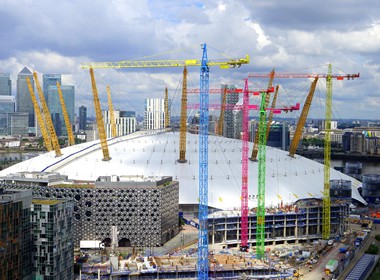 Construction Hardware & Equipment
 Industrial Valves & Fittings
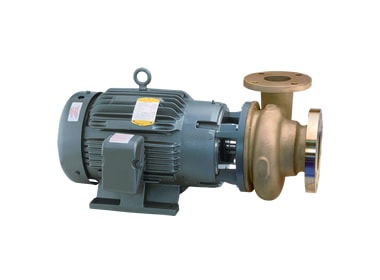 Pump Body & Pump Spares
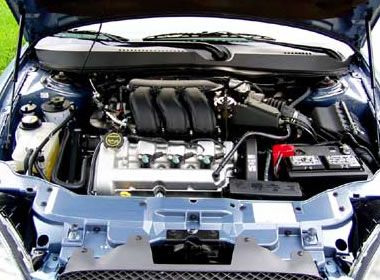 Automobile Components
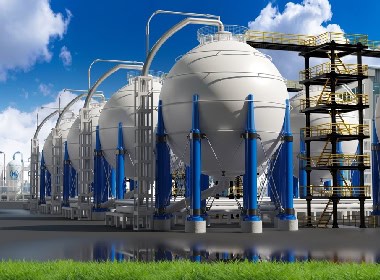 Chemical Industry
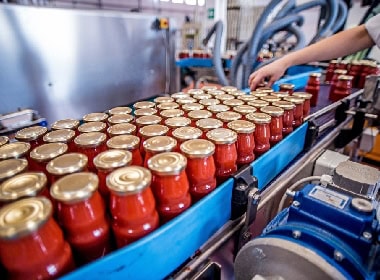 Food Industry
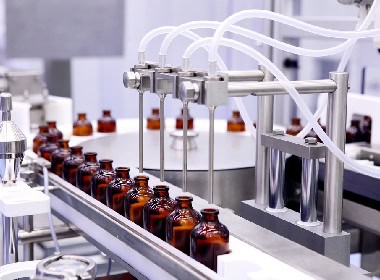 Pharmacy Industry
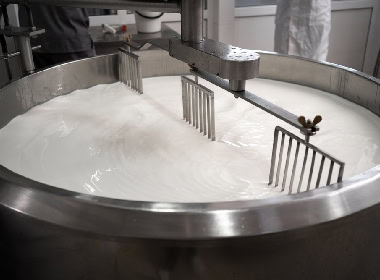 Dairy Industry
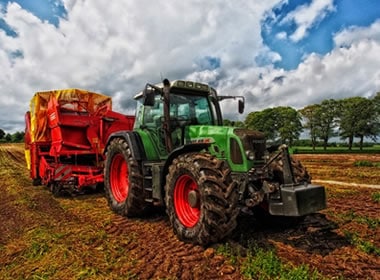 Agricultural Equipment
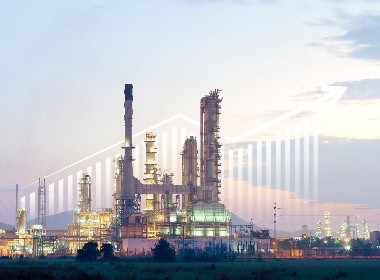 Oil & Gas
 Aviation
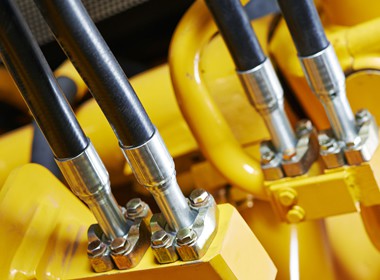 Hydraulics
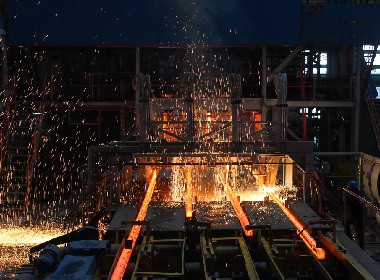 Manufacturing
 Engineering
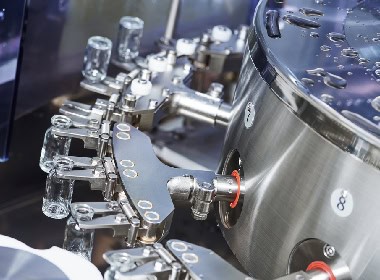 Pharmaceutical
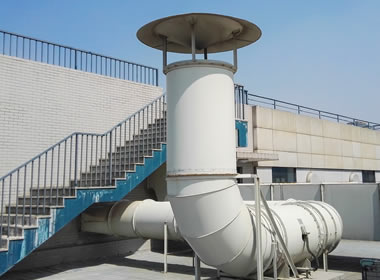 HVAC
HVAC
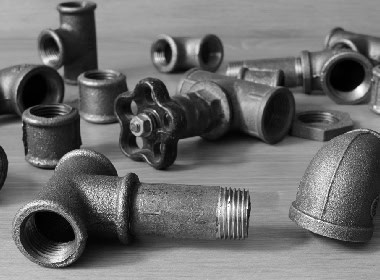 Plumbing
We produce a wide range of industrial parts, including housings, brackets, pump components, valve bodies, heat-transfer parts, and structural assemblies.
Yes, we create fully customised components based on drawings, samples, or performance requirements for diverse industrial applications.
They offer greater durability, improved mechanical strength, and greater dimensional accuracy than sand casting.
Die casting delivers tighter tolerances and smoother surfaces, while sand casting is suited for larger, lower-precision parts.
Yes, we supply high-performance components for engines, steering systems, EV platforms, propulsion units, and marine hardware.
We typically work with grades such as A356, A380, LM6, LM9, and other industry-standard casting alloys.
Yes, our engineering team handles intricate geometries, thin walls, and performance-driven shapes for demanding applications.
Automotive, aerospace, medical devices, renewable energy, industrial machinery, and HVAC sectors frequently use our components.
We follow multi-stage inspections, including X-ray, CMM checks, metallurgical testing, and controlled process cycles.
Yes, we offer quick prototypes, DFM support, and iterative design improvements to reduce development time.