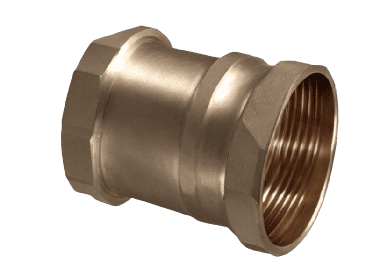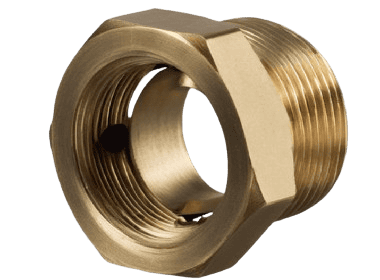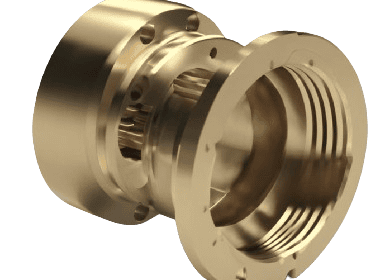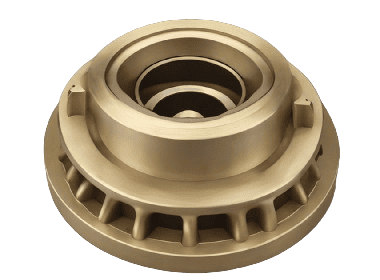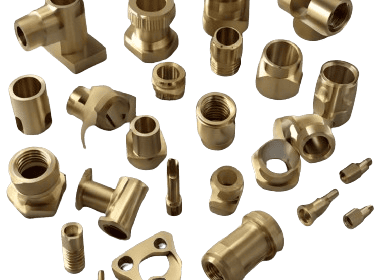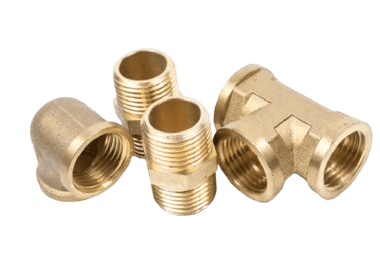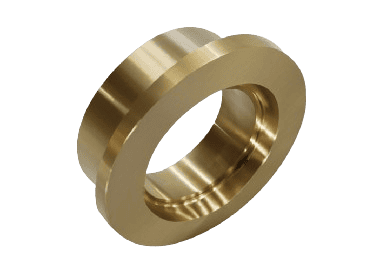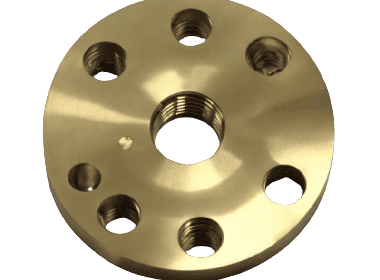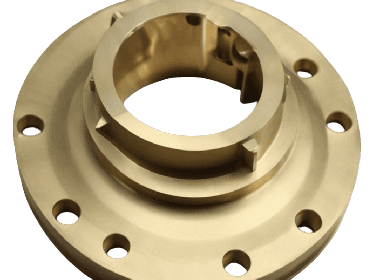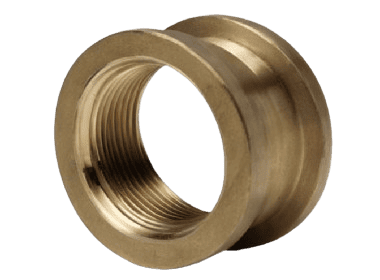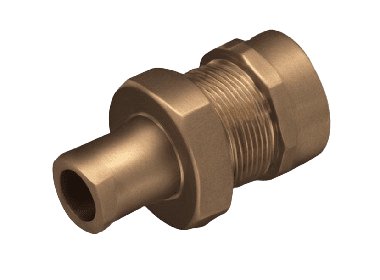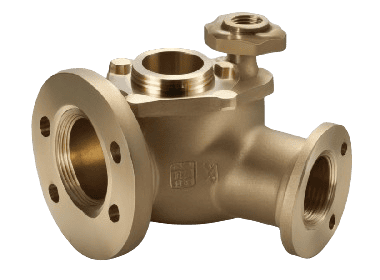
Welcome to Calmet’s dedicated brass casting hub, powered by a team trusted worldwide as a leading brass casting manufacturer. As a reliable brass casting company, we deliver precision-engineered components built for strength, accuracy, and long-term performance. Our end-to-end brass casting services cover everything from alloy selection to strict final checks, ensuring every casting meets your exact needs. Each product is engineered to last, delivering dependable quality across diverse industries. Explore how our expertise turns your ideas into durable, high-performance brass castings, crafted with care and precision.
Brass casting alloy is widely used in domestic and industrial applications because of its strength, stability, and clean finish. Calmet also provides a complete range of brass casting supplies to support diverse product requirements across sectors. Its warm golden colour, which can be polished to a bright shine, makes it a preferred choice for decorative and architectural use.
The material’s strong corrosion resistance allows it to perform well in marine environments, water systems, and outdoor structures. Its easy machinability supports the creation of accurate, smooth, and precise parts, while its good electrical conductivity makes it suitable for electrical fittings and related components.

Sand casting is a traditional and widely used method for producing brass components. In this process, a mold is formed by compacting sand around a pattern of the desired part. Molten brass is poured into the cavity created by the pattern. After solidification, the sand mold is broken to reveal the casting. Sand casting is prized for its cost-effectiveness and ability to form complex shapes with minimal tooling. It also delivers reliable results across a range of batch sizes and remains a highly versatile choice for many parts. Our foundry pairs this method with other options to meet precise needs and provide full brass casting services.

We select the proper molding method based on part geometry, finish needs, and production volume. This ensures consistent quality and tailored results for every requirement.
These flexible molding choices strengthen our ability to deliver reliable output as a brass casting company.

Investment casting, or lost-wax casting, is used to produce intricate, high-accuracy brass parts. We create a wax pattern, coat it with a ceramic shell, melt out the wax, and pour molten brass into the cavity. Once solid, we break the shell to retrieve a finely finished part. This method suits complex geometries and tight tolerances. For specialized runs, we apply Colloidal Silica, Micro investment, or Vacuum Assisted investment processes to match size, detail, and production volume needs. Our capabilities include work aligned with a full-service bronze casting foundry.
Die casting injects molten brass into steel molds under high pressure to form parts quickly and accurately. The process includes mold making, preheating, high-pressure injection, rapid solidification, and extraction of the finished part. Die casting offers high production rates, tight dimensional accuracy, and superior surface finish. While tooling costs are higher, the method is ideal for repeatable production of small-to-medium parts. For programs requiring high volume with close tolerances, die casting brass delivers consistent precision and high throughput.
| Composition | Brass | Bronze | Copper |
|---|---|---|---|
| Elements | Primary: Copper, Zinc. Others: Lead, Manganese, Iron, Aluminum, Silicon. |
Primary: Copper and Tin. Others: Nickel, Aluminum, Zinc, Phosphorus. |
Copper |
| Corrosion Resistance | Good Corrosion Resistance | Excellent Corrosion Resistance | Excellent Corrosion Resistance |
| Weight | 8720 kg/cu.m | 7400 – 8900 kg/cu.m | 8930 kg/cu.m |
| Durability | Highly durable | Highly durable | Durable |
| Machinability Level | Lower | Moderate | High |
| Weldability Level | Good | High | High |
| Electrical Conductivity Relative to Copper |
0.28 | 0.15 | 1 |
| Thermal Conductivity | 64 BTU/hr-ft²-°F | 229 – 1440 BTU/hr-ft²-°F | 223 BTU/hr-ft²-°F |
| Tensile Strength | 338 – 469 MPa | 350 – 635 MPa | 210 MPa |
| Yield Strength | 95 – 124 MPa | 125 – 800 MPa | 33.3 MPa |
| Melting Point | 927 °C | 913 °C | 1085 °C |
Alpha Brasses contain 67–72% copper and 28–33% zinc. These alloys form a substitutional solid solution of zinc in copper and have a single-phase, face-centered cubic crystal structure. They offer a rich golden tone and are malleable, making them suitable for pressing, forging, and similar applications. Although robust, they can be relatively difficult to machine. The best formability is achieved at around 32% zinc, and their corrosion resistance allows them to be used in cold-worked conditions.
Alpha-Beta Brasses, also called duplex brasses, contain 55–65% copper and 35–45% zinc. They include both α and β’ phases, with the β’ phase having an ordered body-centered cubic structure with zinc atoms at the cube centres. This phase is tougher and stronger than α. These alloys are suitable for hot working, and those with higher zinc content appear brighter than alpha brasses. Strength peaks at approximately 45% zinc.
Beta Brasses consist of 50–55% copper and 45–50% zinc. Known for their hardness and strength, they are ideal for casting applications. Due to their high zinc–low copper ratio, beta brasses are among the brightest and least golden types. They are commonly used in higher-strength applications such as valves, gears, and bearings. These alloys can only be worked hot.
Gamma Brasses contain 33–39% copper and 61–67% zinc. Variants also exist in Ag-Zn and Au-Zn compositions, with silver ranging from 30–50% and gold around 41%. The gamma phase forms an intermetallic compound (Cu₅Zn₈) with a cubic lattice structure. Gamma brasses are typically chosen for specialized uses, including high-strength electrical contacts and fasteners.
| PROPERTIES | A260 | A280 | A360 | A385 | A464 |
|---|---|---|---|---|---|
| Density (g/cm3) | 8.53 | 8.39 | 8.49 | 8.47 | 8.41 |
| Hardness, Rockwell (F, B) | 54 F | 85 F | 78 B | 65 B | 55 B |
| Yield Strength (MPa) | 75 | 145 | 124-310 | 138 | 172-455 |
| Ultimate Tensile Strength (MPa) | 300 | 370 | 338-469 | 414 | 379-607 |
| Elongation @ Break (%) | 68 | 45 | 53 | 30 | 50 |
| Modulus of Elasticity (GPa) | 110 | 105 | 97 | — | 100 |
| Machinability (%) | 30 | 40 | 100 | 90 | 30 |
| GRADES AND APPLICATIONS | |
|---|---|
| Alloy 260 - Cartridge Brass | Another name for alloy 260 is cartridge brass. About 70% of this brass alloy is made of copper and 30% is zinc. Alloy 260 is easily cold-workable and has good hot formability. Among other things, it is utilised in fasteners, hardware, ammunition, and automobile components. |
| Alloy 280 - Muntz Metal | About 60% copper and 40% zinc make up Alloy 280. Muntz metal was frequently used as a less expensive substitute for the copper sheeting that was formerly applied to boat hulls to prevent the growth of marine life, such as barnacles. |
| Alloy 360 - Free Machining Brass | Alloy 360 comprises around 60% copper, 35.5% zinc, up to 3.7% lead, and 0.8% of iron. This is also an excellent choice for brazing and soldering applications. Designers and machinists it to create fittings, fasteners, valves & hardware components. |
| Alloy 385 - Architectural Bronze | The composition of alloy 385 is around 59% copper, 42% zinc, and up to 3.5% lead. This greatly improves its formability and machinability. This alloy is a fantastic architectural material for aluminum extrusions since it is simple to form. |
| Alloy 464 - Naval Brass | Naval brass, also known as alloy 464, is a corrosion-resistant metal composed of 40% zinc, 1% tin, and 59% copper. It is versatile in bending, soldering, welding, and cold and hot forming processes, making it ideal for various applications, including boat deck fixtures. |
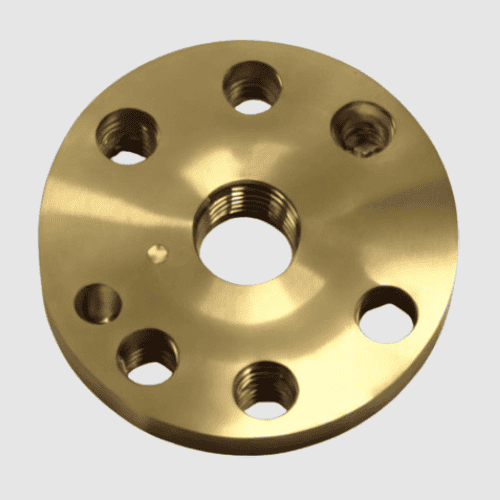
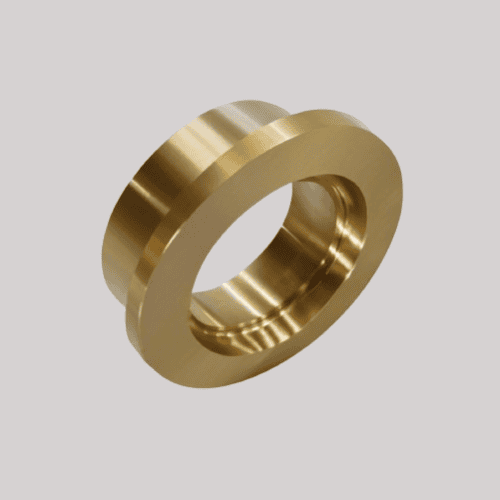
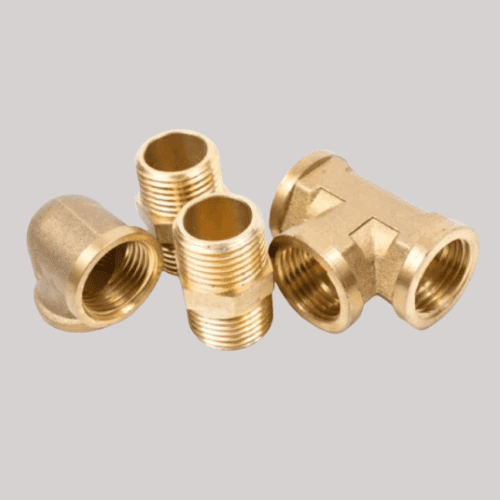
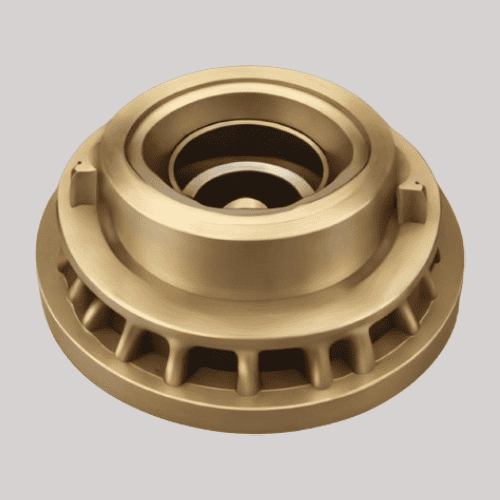
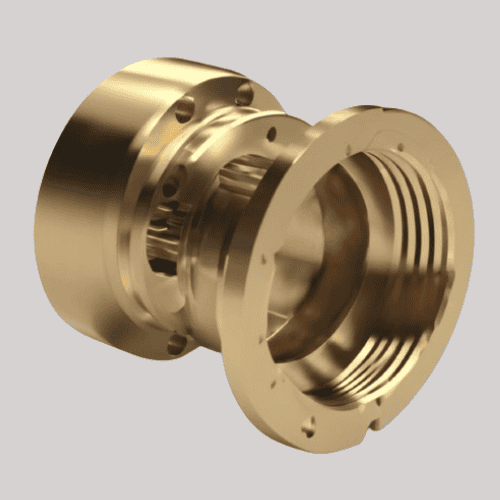
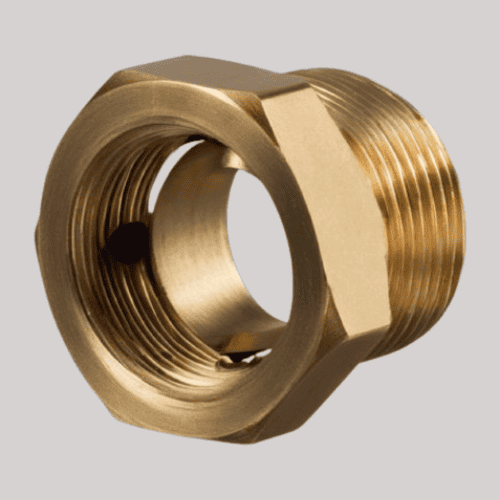
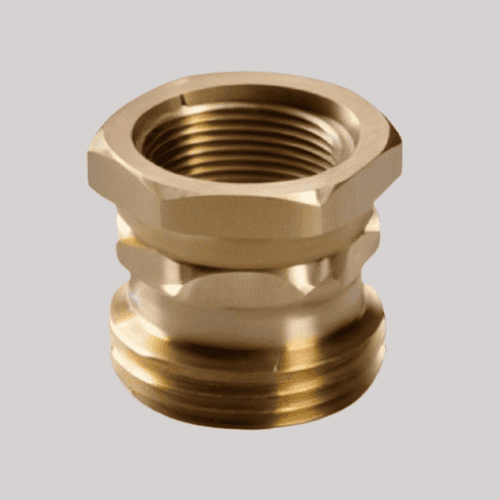
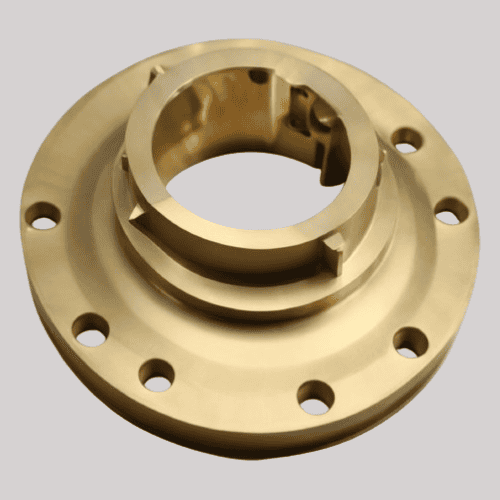
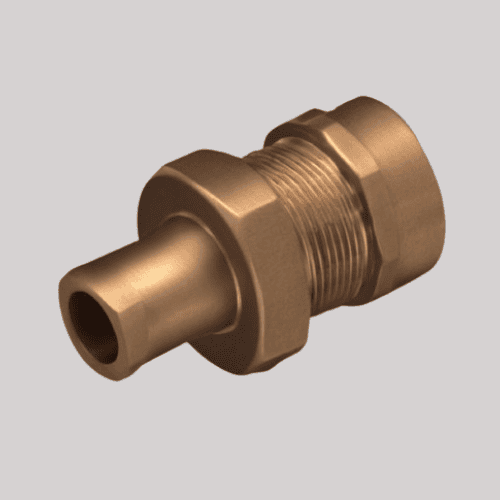
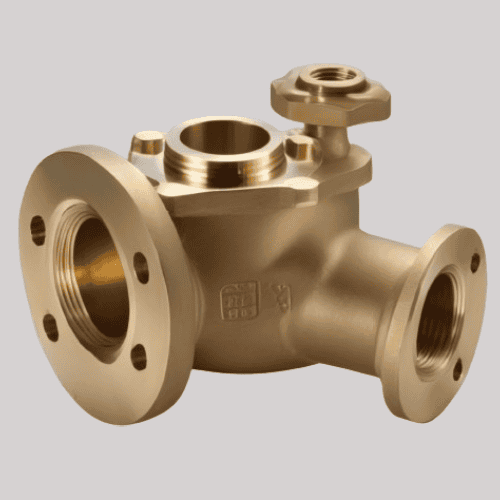
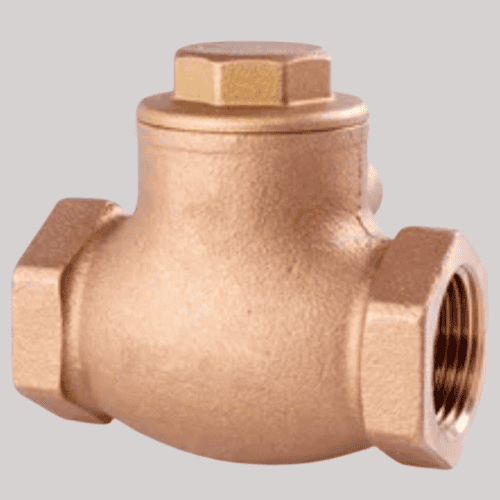
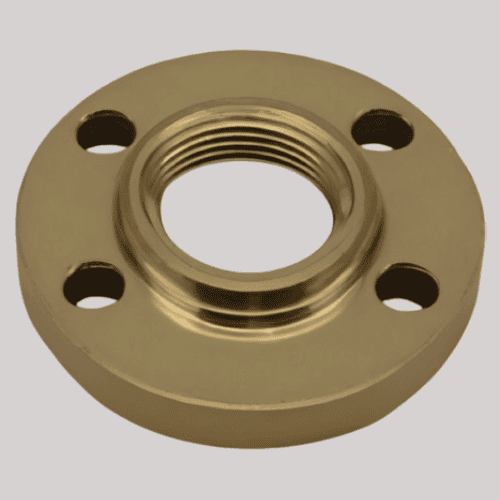
Our goal is to manufacture and deliver products to your specifications using advanced brass casting services, ensuring every part meets your standards. It’s not just about following the details; we also apply our technical expertise to deliver superior-quality products on time, every time, consistently.
Leaded Gunmetal 85/5/5/5 (LG2) is commonly used to manufacture pump bodies and bearings. This alloy provides moderate strength and strong resistance to seawater, making it ideal for marine-grade components.
Phosphor Bronze (PB1) castings are used to produce high-load bearings that must withstand seawater, dilute acids, and boiler feed water. The alloy offers exceptional bearing performance along with excellent corrosion resistance.
General-purpose brass castings made from alloys such as SCB3 are widely used across engineering applications because of their reliable machining properties and versatility.
High-tensile brass castings made with the HTB1 alloy are preferred for ship propellers. This alloy delivers high strength and strong resistance to seawater, making it suitable for demanding marine environments.
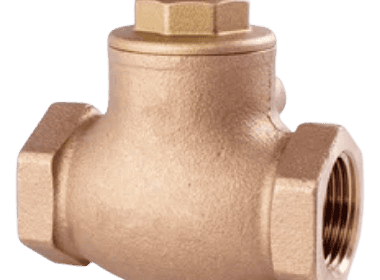
Brass castings are ideal for valves, water pipes, air-conditioner connections, and radiators due to their strength, corrosion resistance, and ease of machining.
Brass castings are used to create decorative elements such as doorknobs, suspended-wire ornaments, and architectural fittings, thanks to their warm finish and durability.
Together, these product categories highlight the broad capabilities and precision-driven approach that define our brass casting expertise.
Calmet goes beyond typical brass casting company offerings by delivering machining, assembly, engineering, and treatment solutions to ensure every component is ready for end-use performance.
We continuously invest in advanced equipment and modern technology, enabling us to deliver state-of-the-art services at competitive prices. Our facilities feature robotics for enhanced automation and efficiency, supported by next-generation Machining Centers, HMCs, VMCs, VTLs, and Special Purpose Machines. Real-time automation software gives instant access to planning, manufacturing, and in-process data from the production floor. Our alloy expertise also helps us recommend improvements that enhance processing quality without compromising performance.
We function as an extension of OEM production for several global corporations. In addition to supplying castings and components, we also deliver assemblies and sub-assemblies directly from our facilities. Our team uses automated, modern welding techniques, including fusion welding, pressure welding, brazing, and soldering, to assemble parts efficiently, saving customers time and money. Cross-trained staff and flexible work cells enable us to support diverse fulfilment needs with the most suitable methods.
Engineering design involves problem-solving through objectives, constraints, prototyping, testing, and evaluation. Our engineers support design, prototyping, and material selection to ensure every product meets the exact features and specifications required. We collaborate with customers to resolve metal challenges and ensure proper construction. Brainstorming remains a core part of our development process before finalizing any solution. Our workshop provides samples in multiple dimensions, materials, and specifications to meet varied customer needs.
We offer a wide range of treatments, including heat treatment such as normalizing, quenching, tempering, nitriding, carburization, annealing, induction hardening, burnishing, and more. Surface treatments are also available for improved properties or aesthetics. Our capabilities include sandblasting, painting, powder coating, anodizing, electroplating (zinc, nickel, chrome), hot-dip galvanizing, and thermal spray metallizing. Calmet regularly evaluates Quality Key Performance Indicators to ensure every treatment meets the highest standards.
Calmet delivers complete solutions as a global brass casting manufacturer, supporting customers from concept to production. Every project is handled with a focus on accuracy, repeatability, and material reliability.
Our end-to-end brass casting services cover prototyping, tooling, casting, machining, and finishing. This allows customers to work with one dependable brass casting company instead of coordinating with multiple vendors.
We also support high-volume requirements through die casting brass, along with a wide range of brass and bronze alloys for complex and high-performance parts. This combined capability helps us deliver consistent quality across small, medium, and mass-production runs.
Calmet’s expertise spans a wide spectrum of bronze and copper-based alloys, making us a trusted bronze foundry for industries that rely on strength, conductivity, and corrosion resistance. Our team works with performance-grade materials used in marine systems, electrical assemblies, and heavy industrial machinery.
We support highly specialized custom bronze casting for components that demand unique shapes, precision fitment, or enhanced mechanical properties. Lead-free bronze options are also available for applications requiring safer, regulation-compliant materials.
Calmet’s bronze casting foundry delivers material versatility, engineering depth, and dependable results across both standard requirements and advanced custom needs.
Calmet helps manufacturers across multiple sectors build reliable, long-lasting metal components that perform well in harsh environments. Our casting expertise aligns with the needs of industries that depend on accuracy, strength, and stable material behavior.
Where Our Expertise Fits Best
Technical Advantages We Deliver
We also support customers with brass casting supplies and essential tooling, and offer a full-stack workflow covering casting, machining, and assembly in a single integrated setup.
Every project at Calmet begins with a clear focus on accuracy, consistency, and practical problem-solving. Instead of offering isolated processes, we bring everything together under one system so customers get faster results and dependable quality. This integrated approach ensures smoother workflows and stronger outcomes for both simple and complex requirements.
A leading manufacturer required a reliable supplier for precision brass castings to meet their stringent quality and performance requirements for the latest engine components. The customer needed components that could withstand high temperatures and harsh operating conditions while providing exceptional durability and precision fit.
Our experienced team of engineers and metallurgists worked closely with the customer to understand their specific needs and challenges. Leveraging our expertise in brass casting technologies, we recommended the use of high-quality copper-zinc alloys that offered superior strength, thermal conductivity, and corrosion resistance. Through meticulous design analysis and simulation, we optimized the casting process to ensure the parts would meet the customer’s performance expectations.
Utilizing our state-of-the-art facilities and advanced casting techniques, we delivered precision brass castings that met the customer’s exact specifications. Our quality control measures, including rigorous testing and inspection protocols, ensured that each component met the highest standards for dimensional accuracy, surface finish, and material integrity. The final brass castings exhibited excellent mechanical properties and dimensional stability, surpassing the customer’s expectations for performance and durability.
The customer was extremely satisfied with the quality and precision of the brass castings provided by our firm. The components seamlessly integrated into their engines, delivering optimal performance and reliability under demanding conditions. Our efficient production processes and responsive customer service further solidified our relationship with the manufacturer, paving the way for future collaborations on additional projects.
To maintain a competitive advantage in the brass casting industry, Calmet always evaluates its unique strengths and value proposition. Here are some factors to consider while analyzing competitive advantage that Calmet offers:
Sustainable manufacturing focuses on minimizing the environmental impact and maximizing resource efficiency throughout the manufacturing process using the below commonly used techniques:
Innovative technologies can revolutionize the brass casting manufacturing industry, enhancing efficiency, quality, and customization capabilities. Some notable advancements at Calmet include:
The brass casting manufacturing industry is subject to various regulations, which ensure safety, quality, and environmental compliance. Key regulations may include:
Most melting operations happen between 900°C and 940°C, ensuring smooth flow, proper filling, and consistent solidification for accurate cast parts.
Quality alloys, controlled melting, and clean fluxing help maintain metal purity. These practices improve strength and protect components from corrosion in harsh environments.
Yes. Its high-pressure process delivers dense, strong, and dimensionally stable parts, making it ideal for valves, connectors, and mechanical fittings.
A reliable partner offers strong material knowledge, precise tooling, consistent quality control, and the ability to handle both simple and complex geometries.
Yes. Custom tooling, flexible production setups, and controlled processes allow the creation of detailed, application-specific components.
Most melting operations happen between 900°C and 940°C, ensuring smooth flow, proper filling, and consistent solidification for accurate cast parts.
Absolutely. The process supports artistic designs as well as rugged components used in marine, industrial, and architectural applications.
Consistent alloying, controlled temperatures, and standardized mold preparation help keep each batch accurate and uniform.
Multiple checks, mold inspection, metal testing, dimensional checks, and finishing audits ensure every part meets the required specifications.
Most projects are delivered in a few weeks, depending on the complexity of the part, tooling requirements, and approval timelines.