Choose Trusted Aluminum Forging Manufacturers - Calmet

METAL FORGING MANUFACTURERS

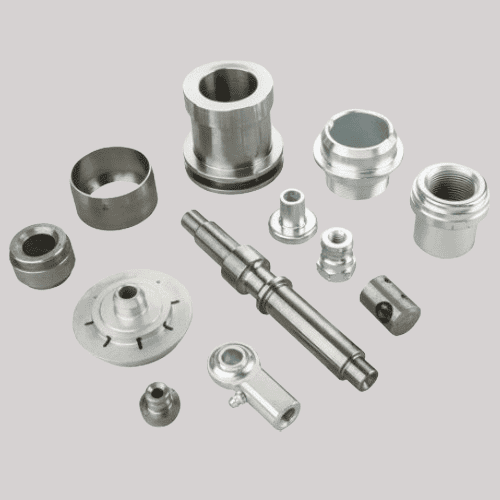
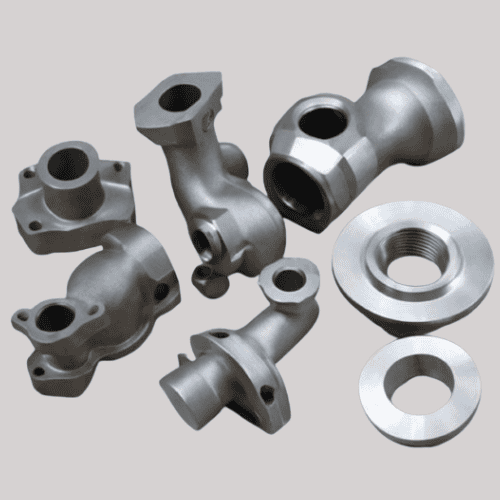
Calmet is a metal forging manufacturer with dedicated in-house facilities delivering high-quality forged components to industries worldwide. We are recognized as a leading aluminum forging manufacturer, producing lightweight, precision-engineered parts under controlled manufacturing processes.

As trusted stainless steel forging suppliers, we manufacture corrosion-resistant and high-strength components for critical applications. Our expertise as a brass forging company allows us to produce custom shapes and fittings for industrial and Oil & Gas sectors. As a reliable steel forging manufacturer, we support heavy-duty and mass-production requirements.

For specialized requirements beyond our in-house capacity, select processes are executed through carefully evaluated partners under Calmet’s direct supervision. Every outsourced operation follows our defined quality controls, technical standards, and accountability checks. Whether handling small-batch custom orders or large-scale production, we combine advanced technology and skilled craftsmanship to deliver consistent quality across every project.

Processes:

Hot Forging

Hot forging involves heating metal above its recrystallization temperature, making it easier to shape through mechanical processes like hammering or pressing. Preferred by industries seeking a dependable steel forging manufacturer, this process produces components with improved strength, reduced residual stresses, and enhanced durability. Hot forging is commonly used for large or complex parts in aerospace, heavy machinery, and industrial applications.

Cold Forging

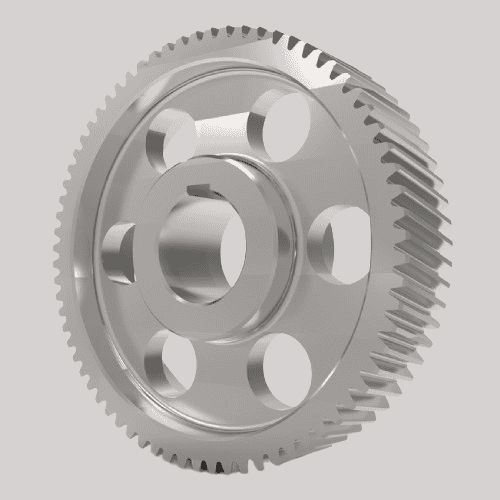
Cold forging is performed at room temperature or slightly elevated temperatures, enabling tighter tolerances and a superior surface finish. Widely used for high-precision components, it delivers strong parts with minimal material waste. This method is ideal for manufacturing small to medium-sized parts such as fasteners, gears, and connectors, where accuracy and finish are critical.

Metal Forging Processes

  • Open-Die Forging: Metal is placed between multiple dies that do not fully enclose it, allowing it to be deformed by repeated hammering or pressing. This process is widely used for large, complex components and produces strong, reliable parts with minimal defects.

  • Closed-Die (Impression-Die) Forging: Metal is placed between two dies with a shaped cavity. When the dies come together, the metal flows to fill the cavity, creating complex shapes with near-net dimensions that require minimal machining. This method is often used for high-precision, intricate components.

  • Drop Forging: Drop forging involves dropping a hammer onto the metal piece positioned between dies. It can be applied as open-die or closed-die forging, depending on the part requirements, and is a common technique employed by trusted metal forging manufacturers for strength-critical parts.

  • Press Forging: Press forging uses slow, continuous pressure instead of impact to shape the metal. It is ideal for both open-die and closed-die applications and is relied upon for consistent part geometry and material properties.

  • Roll Forging: In roll forging, the metal passes through cylindrical or semi-cylindrical rolls with grooves that form the desired shape. This process efficiently produces components with uniform cross-sections.

  • Swaging: Swaging uses rotating dies to hammer the metal into shape as it is fed through the machine. It is commonly used to reduce the diameter of rods or tubes and is applied for precise dimension control.

  • Upset Forging: Upset forging increases the diameter of the metal by compressing its length. It is commonly used to form bolt heads, valves, and other components and is performed to produce durable, consistent parts.

  • Isothermal Forging: The metal and die are heated to the same temperature, allowing uniform metal flow and producing precise, consistent components. Industries seeking high-quality output for parts requiring exceptional strength and dimensional accuracy.

Each of these processes has unique advantages and is chosen based on the desired properties of the final product, the type of metal, and the specific application.

Forgings:

Alloy CNC Components

Auto Components

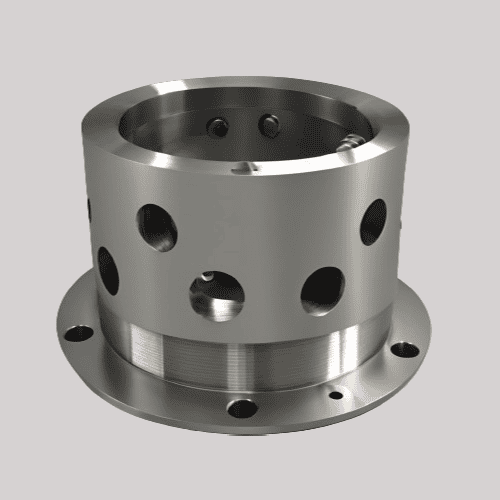
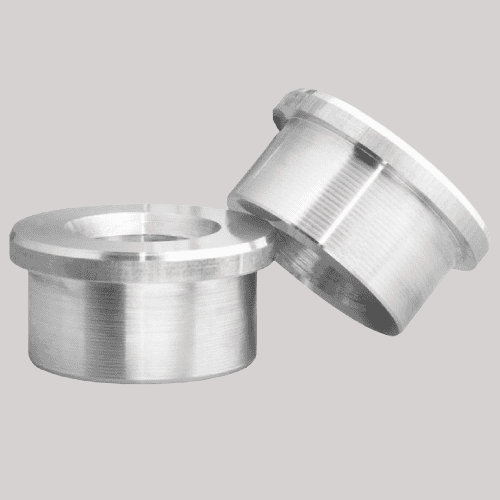
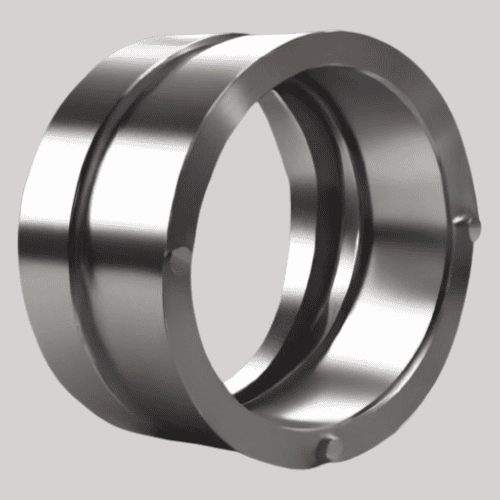
Bush Parts

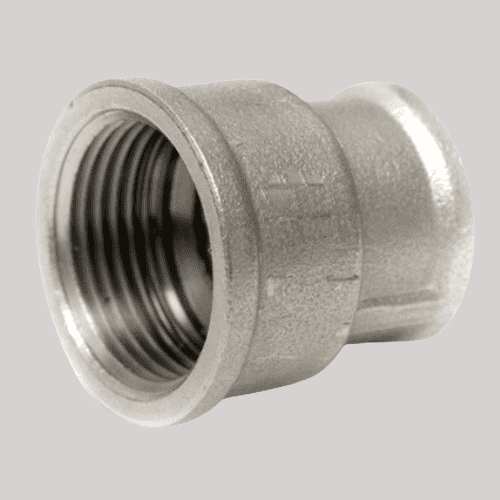
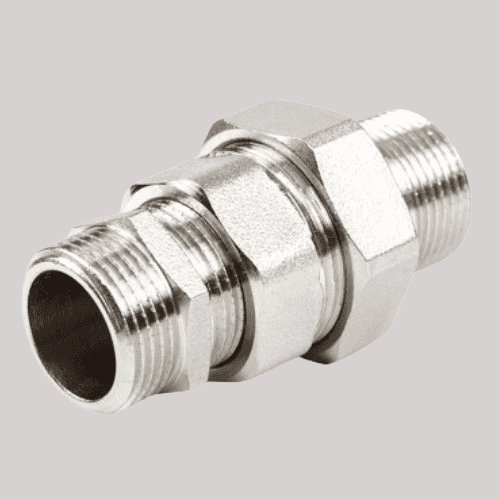
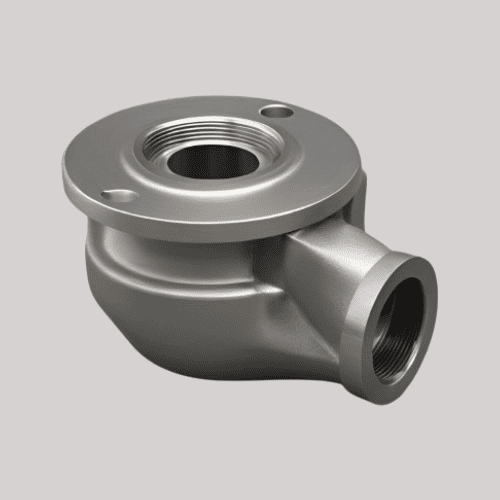
Fitting Parts

CNC Parts

Turned Components

Machinary Parts

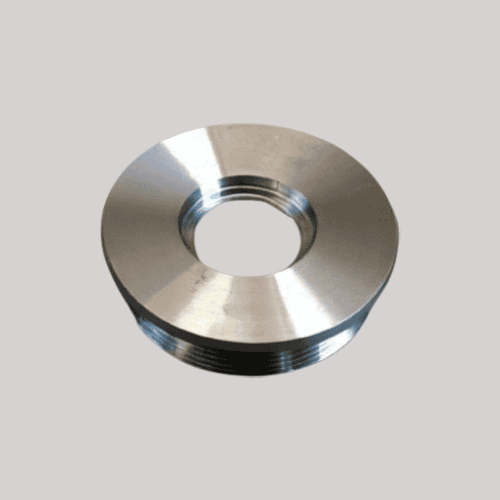
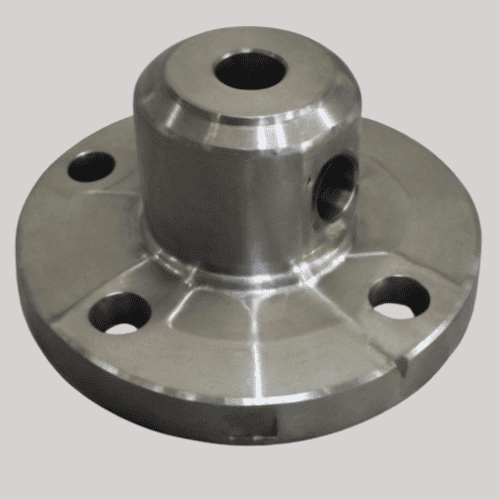
Steel Flange

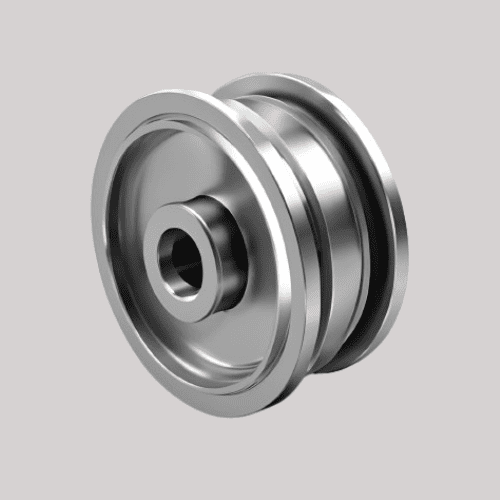
Farm Equipment Pulley

Pump Parts

Sleeve Coupling

Valve Parts

Forging Material Properties

Calmet works with a wide range of metals to meet diverse client needs, ensuring the right combination of strength, durability, and performance. Our expertise includes producing lightweight, yet strong components for critical applications.

Grades Properties
Alloy Steel Enhanced with elements like nickel, manganese, or silicon, alloy steel offers high wear resistance and strength.
Carbon Steel Known for its toughness and ability to withstand high temperatures, it is ideal for heavy-duty industrial parts. Calmet is recognized as a dependable steel forging manufacturer for such applications.
Stainless Steel Corrosion-resistant, durable, and heat-tolerant. We collaborate with expert stainless steel forging suppliers to produce components requiring precision and longevity.
Aluminum Lightweight and strong, aluminum alloys such as 6061 and 7075 are ideal for aerospace and automotive parts. Processed by professional aluminum forging suppliers, these components meet stringent quality standards.
Micro-alloy Steel Contains small amounts of vanadium, titanium, or niobium for added toughness without extra heat treatment.
Copper Alloys Materials like C11000 and C95400 provide excellent thermal and corrosion resistance. Our experienced brass forging facility ensure high-quality forged parts for industrial and marine applications.

Each material is carefully forged to maintain its unique properties, delivering reliability and consistent performance across industries. As a full-service metal forging manufacturer, Calmet ensures every batch meets client specifications.

Forgings Applications by Material

Forged components are widely used across industries that demand strength, precision, and reliability. Calmet delivers high-performance solutions that meet the diverse requirements of the aerospace, automotive, and heavy machinery sectors. Our expertise supports mission-critical applications requiring toughness and durability.

Grades Applications
Alloy Steel Used in aerospace components, oil & gas equipment, power generation, and heavy machinery. Alloying elements enhance wear resistance, strength, and corrosion resistance, making it ideal for demanding environments.
Carbon Steel Commonly employed in machinery components, hand tools, and structural fittings. Offers toughness, durability, and cost-effectiveness for a variety of applications requiring reliability.
Stainless Steel Applied in food processing, pharmaceuticals, chemical processing, and marine industries. Stainless steel forging suppliers ensure corrosion resistance, hygiene, and precision for critical components.
Aluminum Used in aerospace structures, electronic enclosures, and consumer products. Aluminum forging suppliers provide lightweight, high-strength components with excellent thermal conductivity.
Titanium Found in aerospace parts, medical implants, marine components, and high-performance sports equipment. Its strength-to-weight ratio and corrosion resistance make it ideal for precision-critical applications.
Brass and Copper Used for plumbing fittings, electrical contacts, decorative hardware, and musical instruments. Brass forging companies deliver components that combine malleability, conductivity, and corrosion resistance.
Nickel-based Alloys Utilized in chemical processing, petrochemical industries, gas turbines, and nuclear power plants. Their high-temperature strength, corrosion resistance, and creep resistance make them suitable for extreme environments.

Choosing the right material and forging method ensures durability, performance, and operational efficiency. Calmet’s capabilities as a forging manufacturer and trusted forging partner deliver components that perform reliably across industries.

3 Stage Quality Control Check Process

Calmet follows a rigorous 3-stage quality control system to ensure every forged component meets the highest standards. Our processes reflect the expertise expected from a trusted metal forging manufacturer.

Incoming Inspection:

The incoming inspection evaluates raw materials to verify compliance with specifications and quality standards.

Process

  • Dimensional Check: Confirm the raw material dimensions match design specifications.
  • Material Analysis: Conduct testing to ensure the composition meets the required standards.
  • Surface Inspection: Check for defects such as cracks, pits, or contamination.

Action

  • Acceptance: Materials meeting all criteria are approved for forging.
  • Rejection: Materials failing the standards are rejected to maintain component integrity.

In-Process Inspection:

During forging, ongoing inspections monitor part quality at every stage.

Process

  • Dimensional Checks: Measure forged parts periodically for consistency.
  • Visual Inspection: Detect surface defects or imperfections during production.
  • Process Monitoring: Track temperature and pressure to prevent deviations.

Action

  • Adjustments: Make process changes if deviations are found.
  • Feedback: Communicate findings to operators for prompt resolution.

Final Inspection:

Once forging is complete, final inspections verify that parts are ready for shipment or further processing.

Process

  • Dimensional and Visual Checks: Assess size, shape, and surface finish.
  • Material Properties Testing: Confirm mechanical properties meet requirements.
  • Non-Destructive Testing (NDT): Use ultrasonic or magnetic particle testing to detect internal flaws.

Action

  • Acceptance: Parts passing all quality checks are approved for delivery.
  • Rejection: Components that do not meet standards are removed to ensure defect-free products.

By maintaining this inspection framework, Calmet ensures consistent output for projects, with all quality checks governed internally. The same controlled standards are applied ensuring corrosion resistance and reliable performance. Customers engaging with us as a brass forging company receive components validated against clearly defined acceptance criteria. As an established forging manufacturer, Calmet retains full process control and accountability from material evaluation to final inspection.


Case Study:

Forged Metal Connecting Rod for Engine Applications

Introduction

This was done for the production of a forged metal connecting rod used in engines. Connecting rods are essential components that connect the piston to the crankshaft, transferring motion and force. The focus is on material selection, the forging process, quality control, and economic aspects of the production.

Material Selection

The chosen material for the connecting rod is 4340 alloy steel, for a good balance of strength, toughness, and fatigue resistance with Tensile Strength 745 MPa, Yield Strength 470 MPa, Elongation 12% and Hardness: 217 HB

Design and Simulation

  • CAD Modelling: A detailed CAD model of the connecting rod was created.
  • Finite Element Analysis (FEA): The model underwent FEA to predict stress distribution and deformation during forging.

Material Preparation

Billets were cut to the required size and then heated in a furnace to approximately 1200°C to make the metal malleable.

Forging Operations

Initially, heated billets were placed in a hydraulic press with a capacity of 4000 tons to create the rough shape of the connecting rod. Then rough shape was refined with subsequent press operations to ensure accurate dimensions and proper grain flow. Final touches were made to achieve near-net shape, minimizing the need for extensive machining.

Heat Treatment

Quenching and Tempering: The forged connecting rods were quenched in oil and tempered to achieve the desired mechanical properties.

Machining

  • CNC Machining: The forged components were machined to precise tolerances, ensuring smooth surfaces and correct dimensions.
  • Grinding and Polishing: Critical surfaces were ground and polished to achieve the necessary finish and dimensional accuracy.

Quality Control

  • Dimensional Inspection: CMM Used to verify the dimensions of the connecting rod against design specifications.
  • Non-Destructive Testing (NDT): Ultrasonic Testing: To ensure there were no internal defects like cracks or inclusions.
  • Magnetic Particle Testing: MPT to identify surface and near-surface defects.
  • Microstructural Analysis: Metallography for examining the grain structure and verifying uniformity and proper grain flow.
  • Mechanical Testing: For Tensile Test and Hardness Test.

Economic Considerations

  • Cost of Material: 4340 alloy steel is relatively expensive but was justifiable due to its superior properties.
  • Tooling Costs: High initial investment in dies and molds, but cost-effective for large production runs.
  • Production Efficiency: Forging is chosen over casting and machining due to its ability to produce strong, durable components with minimal waste.

Environmental Impact

  • Energy Consumption: Significant energy is required for heating and forging processes.
  • Waste Management: Efforts are made to minimize waste through efficient material utilization and recycling of scrap material.
  • Emissions: Controlled emissions during the heating process to comply with environmental regulations.

Conclusion

The production of a forged connecting rod involves careful material selection, precise forging operations, and stringent quality control measures. 4340 alloy steel is ideal for this application due to its high strength and toughness. While the initial costs are high, the forging process ensures high-quality components with superior mechanical properties, making it a cost-effective choice for mass production. Additionally, attention to environmental impact ensures sustainable production practices.
This case study provides a detailed overview of the production process for a critical component. If you need more details or specific focus on any section, feel free to ask!

Why Calmet?

To maintain a competitive advantage in the forging industry, Calmet continually evaluates its strengths and value proposition. The following factors reflect the advantages Calmet offers to clients across sectors:

1. Quality and Expertise

  • Expertise and experience in specialized processes help Calmet deliver precision‑forged components with consistent performance.
  • Certification of quality standards and adherence to industry regulations support Calmet’s reputation as a reliable metal forging manufacturer.

2. Technological Capabilities

  • Calmet employs cutting‑edge equipment and technology to enhance production efficiency and part quality.
  • Investment in advanced machinery and automation leads to faster production cycles and better outcomes.
  • Strong research and development capabilities enable us to innovate new forging methods and meet customer requirements as trusted aluminum forging suppliers.

3. Supply Chain Management

  • Efficient supply chain management, including raw material sourcing and logistics, optimizes lead times and cost.
  • Reliable relationships with suppliers ensure a steady supply of high‑quality input materials.
  • Implementing just‑in‑time manufacturing and lean principles minimizes waste and maximizes efficiency for stainless steel forging suppliers.

4. Customer Relationships

  • Developing strong customer relationships and providing dedicated support is central to Calmet’s culture.
  • Understanding customer needs and offering personalized technical solutions differentiates Calmet’s service.
  • Continued engagement and feedback help improve processes and maintain an edge as a reputable brass forging company.

5. Cost Efficiency

  • Controlling costs throughout the manufacturing cycle is crucial to delivering value.
  • Cost‑effective production strategies and optimized resource utilization support competitive pricing.
  • Regular evaluation of operational drivers enhances efficiency and long‑term profitability as a steel forging manufacturer.

6. Sustainable Manufacturing

Sustainable manufacturing focuses on reducing environmental impact and maximizing resource efficiency:

  • Energy Efficiency: Implementing energy-efficient measures like optimizing furnace operations, adopting energy-saving technologies, and utilizing renewable energy sources.
  • Waste Management: Implementing effective waste management techniques, including recycling and reusing materials, reducing waste generation, and implementing proper disposal methods.
  • Resource Conservation: Employing techniques to reduce water consumption, optimize raw material usage, and minimize emissions.
  • Supply Chain Transparency: Ensuring transparency and responsibility in the supply chain, such as sourcing materials from sustainable suppliers and monitoring the social and environmental impacts of the supply chain.

7. New Technologies

Innovative technologies can revolutionize the forging industry manufacturing industry, enhancing efficiency, quality, and customization capabilities. Some notable advancements at Calmet include:

  • 3D Printing: The introduction of 3D printing in forgings allows for complex shapes and design optimization, reducing material waste and lead times while enabling customization.
  • Automation and Robotics: Integration of automation and robotics streamlines production processes, enhances precision, improves safety, and increases productivity.
  • Data Analytics and AI: Leveraging data analytics and artificial intelligence can enhance quality control, predictive maintenance, and process optimization, resulting in improved efficiency, reduced costs, and enhanced product quality.
  • Augmented Reality (AR): AR technology can assist in training, remote maintenance and repair, and real-time quality assurance, improving operational efficiency and reducing downtime.

8. Industry Regulations

The forgings manufacturing industry is subject to various regulations, which ensure safety, quality, and environmental compliance. Key regulations may include:

  • Workplace Safety: Regulations governing occupational health and safety, including maintaining safe working conditions, providing proper protective equipment, and adhering to workforce safety standards.
  • Environmental Compliance: Regulations related to emissions control, waste management, pollution prevention, and resource conservation to mitigate the environmental impact of operations.
  • Quality Standards: Compliance with quality certifications such as ISO 9001 ensures that products and processes meet internationally recognized quality standards, fostering customer trust.
  • Supply Chain Traceability: Regulations and standards may require documentation and traceability of raw materials, ensuring responsible sourcing and avoiding materials with ethical or environmental concerns.

Keeping abreast of these regulations and proactively implementing compliance measures helps a firm maintain its reputation, enhance customer confidence, and demonstrate commitment to sustainability.

Advanced Forging Capabilities

  • Calmet operates as a global metal forging manufacturer with advanced infrastructure designed for precision and consistency.
  • Our in-house tooling development and die design capabilities support complex forging requirements across industries.
  • Modern CAD and simulation tools help predict metal flow and reduce material loss during production.
  • High-capacity forging setups allow us to meet demanding specifications as a trusted steel forging manufacturer.
  • Scalable production systems also enable long-term supply partnerships with dependable aluminum forging suppliers.

Aerospace Industry

Aerospace Industry

Forgings are used in aircraft components like landing gear, engine parts, and structural elements due to their high strength and reliability, ensuring safety and performance in the aerospace industry.

Defense

Defense

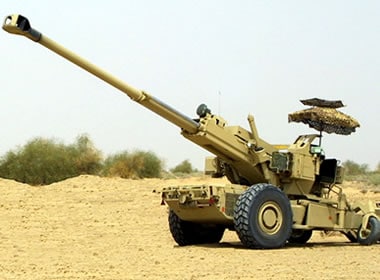
The defense industry relies on forgings for critical components in weapons systems, military vehicles, and equipment, ensuring robustness, precision, and integrity to meet the rigorous demands and security standards of defense applications.

Energy Sector

Energy Sector

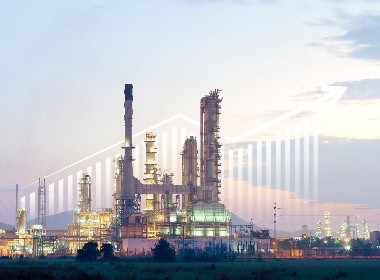
In the energy sector, forgings are utilized in equipment for oil, gas, and renewable energy applications such as turbines, valves, and drilling tools, providing reliable performance, resistance to extreme conditions, and long-term functionality to support energy production.

Oil and Gas

Oil and Gas

Forgings play a vital role in oil and gas exploration and production by being used in drilling tools, wellhead components, and pressure vessels, offering high strength, corrosion resistance, and reliability needed to withstand harsh environments and ensure operational safety.

Construction Industry

Construction Industry

In the construction industry, forgings are employed in heavy equipment, structural elements, and infrastructure parts, delivering the necessary strength, toughness, and longevity for buildings, bridges, and other construction projects, contributing to safety and durability.

Agriculture Machinery

Agriculture Machinery

Forgings find applications in agricultural machinery and equipment, such as tractor components, tillage tools, and harvesting implements, providing the required durability, wear resistance, and strength to withstand the demanding conditions of farming operations and enhance productivity.

Mining Industry

Mining Industry

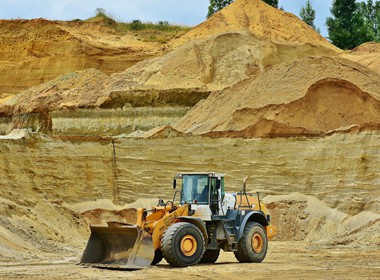
The mining industry utilizes forgings in equipment such as drill bits, gears, and conveyor components, offering superior strength, toughness, and wear resistance to cope with the challenging environments and heavy-duty operations involved in mining activities.

Frequently Asked Questions:

What is the forging process, and why do steel forging manufacturers prefer it for high-strength parts?

Forging is the process of shaping metal using compressive forces to improve strength and durability. Steel forging manufacturers prefer it because forged components have superior mechanical properties, toughness, and fatigue resistance compared to cast or machined parts.

How do metal forging manufacturers ensure perfect material integrity in forged components?

Metal forging manufacturers employ strict quality control, including dimensional checks, metallurgical testing, and nondestructive inspections, to ensure consistent material properties across every component.

Which metals are most commonly forged by aluminum forging manufacturers and stainless steel forging suppliers?

Aluminum forging manufacturers focus on lightweight, high-strength aluminum alloys, while stainless steel forging suppliers provide corrosion-resistant components for critical applications.

Are forged parts from a steel forging manufacturer better than castings for wear and fatigue resistance?

Yes, components from a steel forging manufacturer exhibit higher strength, better grain structure, and superior wear and fatigue resistance compared to traditional castings.

Which industries rely on metal forging manufacturers for critical components?

Metal forging manufacturers serve the aerospace, automotive, oil & gas, power generation, and heavy machinery industries, which require high-performance, reliable parts.

Can aluminum forging suppliers make lightweight custom forged parts from my drawings?

Absolutely. Aluminum forging suppliers can produce custom-shaped, high-precision parts based on client specifications and engineering drawings.

Why choose forged flanges from a steel forging manufacturer for oil & gas pipelines?

Forged flanges from a steel forging manufacturer offer unmatched strength, pressure resistance, and durability, making them ideal for demanding pipeline applications.

What’s the difference between open-die and closed-die forging at metal forging manufacturers?

Metal forging manufacturers use open-die forging for large, simple shapes through repeated deformation, and closed-die forging for complex, near-net shapes with minimal machining.

Do brass forging companies offer machining and heat treatment with their forging services?

Yes, brass forging companies often provide secondary operations like machining, heat treatment, and finishing to deliver ready-to-use components.

How can I get a fast quote from aluminum forging manufacturers or steel forging manufacturers?

You can contact aluminum or steel forging manufacturers directly through inquiry forms or sales teams for prompt quotations and technical guidance.